Buying guide: Lash Lift Care & Hygiene
Professional lash lifting demands more than perfect technique. Your reputation depends on two critical factors that many artists overlook: proper skin preparation and comprehensive safety protocols. Every successful treatment begins with meticulous hygiene practices and ends with confident assurance that your client's safety came first.
The best lash lift in the world fails if the foundation isn't clean or if a client develops an allergic reaction you could have prevented. These aren't afterthoughts, they're essential pillars supporting everything else you do. When you invest in professional-grade preparation and testing products, you protect both your artistic investment and your professional liability.
Phi understands that safety and cleanliness determine whether clients return enthusiastically or avoid your services permanently. That's why our care and hygiene product range focuses on the fundamentals that separate amateur practitioners from trusted professionals: comprehensive skin preparation that optimizes chemical adhesion and systematic allergy testing that prevents adverse reactions before they occur.
Universal skin preparation excellence
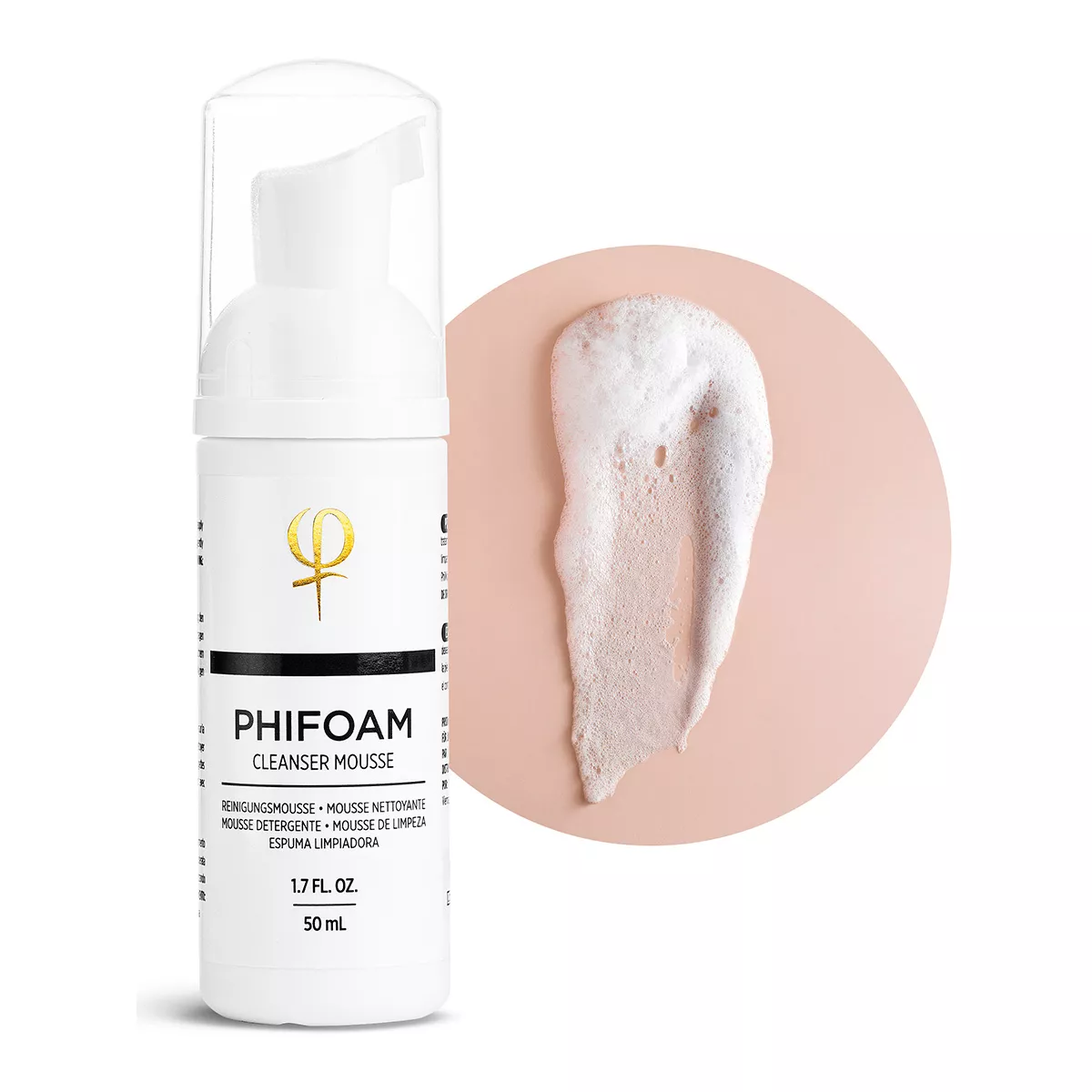
Multi-treatment cleansing formula
Professional foam cleanser serves as the foundation for multiple cosmetic procedures requiring completely clean, oil-free skin surfaces. The 150ml professional size provides consistent preparation across permanent makeup, microblading, tattoos, microneedling, lash lifting, and lash extension services.
Universal application eliminates inventory complexity while ensuring consistent preparation standards across all services. The specialized formulation removes oils, impurities, and surface contaminants that interfere with chemical adhesion and processing effectiveness.
Color removal specialization
Advanced formula specifically addresses color removal after treatments involving colorants. This specialized capability makes the cleanser essential for practices offering multiple cosmetic services.
Pre-treatment application ensures optimal conditions for lifting chemical adhesion while post-treatment use removes any residual color deposits that could stain surrounding skin areas. Professional practices benefit from unified preparation protocols across all service categories.
Professional application technique
Proper foam application requires systematic coverage of treatment areas using gentle massage motions that lift contaminants without irritating sensitive eye areas. Focus particular attention on lash roots and eyelid margins where natural oils accumulate most heavily.
Complete oil removal creates optimal conditions for lifting chemical penetration and processing consistency. Poor preparation directly correlates with uneven results and shortened lift duration, making thorough cleansing essential for professional outcomes.
Comprehensive allergy testing protocols
Professional safety requirements
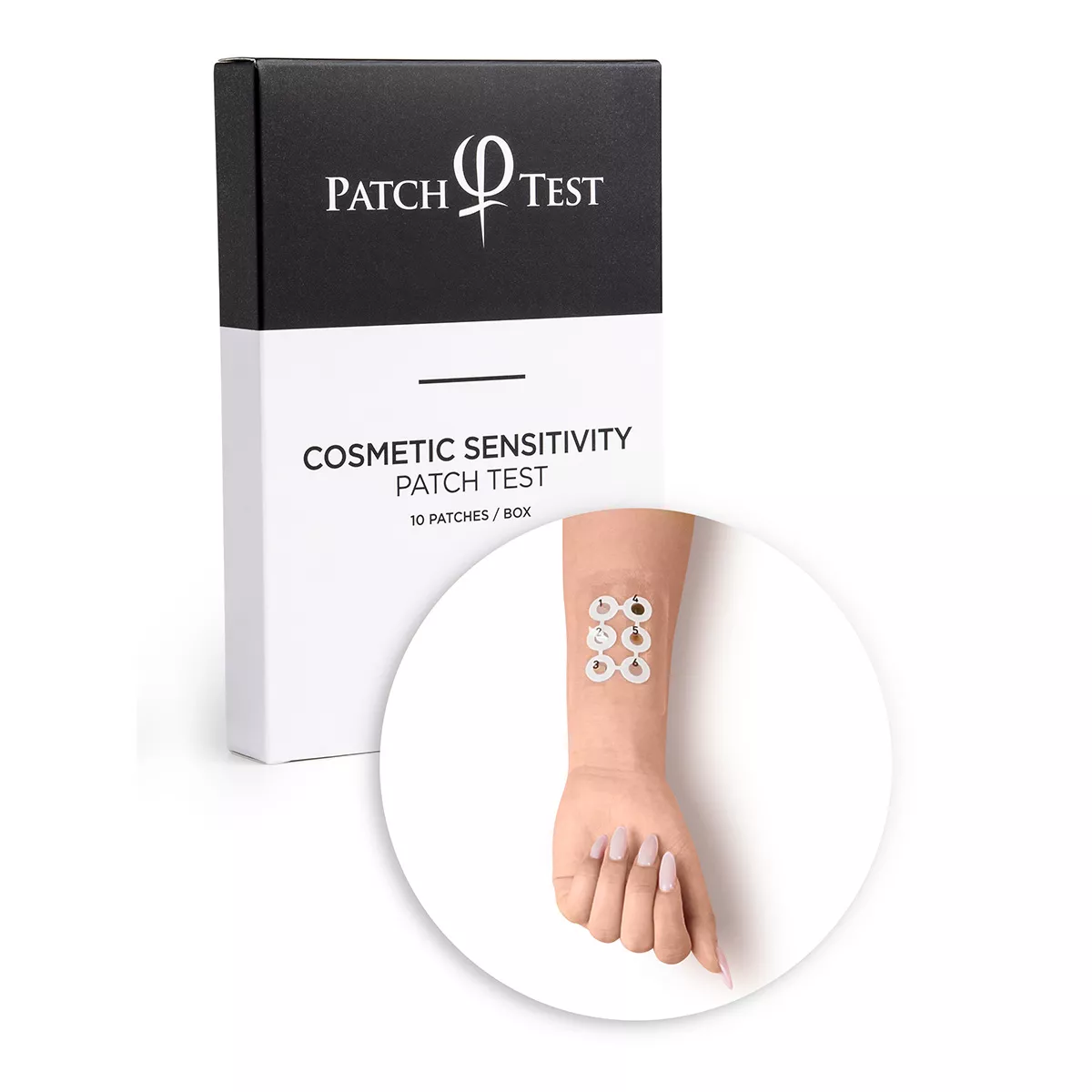
Patch testing represents non-negotiable professional liability protection for lash lifting treatments. The epicutaneous testing method identifies potential adverse reactions 48 hours before treatment, preventing serious allergic responses.
Professional-grade patch tests provide systematic evaluation of skin compatibility with all treatment chemicals, particularly thioglycolate-containing lifting formulations that can cause severe reactions in sensitive individuals. Each test kit contains 10 individual patches supporting multiple client evaluations.
Scientific testing methodology
Proper testing requires 48 hour observation periods allowing delayed sensitivity reactions to manifest before treatment commitment.
Professional safety integration
Treatment preparation protocols
Professional lash lifting requires systematic preparation combining thorough cleansing with comprehensive safety evaluation. Proper sequencing begins with initial consultation and medical history review, followed by patch testing 48 hours before scheduled treatment.
Day-of-treatment protocols include final cleansing confirmation and patch test result evaluation before proceeding with chemical applications. Any sensitivity indicators require immediate treatment cancellation and alternative recommendations.
Cross-service applications
Universal cleanser formulations support multiple service offerings within professional practices, optimizing inventory efficiency while maintaining consistent preparation standards. Practices offering combined services benefit from unified preparation protocols reducing complexity and training requirements.
Professional versatility enables service expansion without additional product investments, supporting business growth while maintaining established preparation standards across all treatment categories.
Client education requirements
Professional safety extends beyond testing and preparation to include comprehensive client education about aftercare requirements and sensitivity monitoring. Clients must understand post-treatment care protocols that maintain treatment integrity while preventing complications.
Provide detailed aftercare instructions emphasizing gentle cleansing, avoiding oil-based products during initial 24-48 hours, and monitoring for delayed sensitivity reactions requiring immediate professional consultation.
Business and liability considerations
Professional standard compliance
Comprehensive safety protocols demonstrate professional competence while supporting premium service positioning. Clients associate thorough preparation and testing with expertise and care, justifying higher pricing and building loyalty through demonstrated professionalism.
Professional practices differentiate themselves through visible safety commitments that amateur practitioners often ignore. Investment in proper preparation and testing products positions practices as responsible professionals worthy of client trust and referrals.
Cost-effectiveness analysis
Professional preparation and testing products represent minimal costs compared to potential adverse reaction consequences. Single serious allergic responses can generate legal costs, insurance claims, and reputation damage far exceeding years of prevention product investments.
Calculate safety investments against potential liability exposure to understand true cost-effectiveness. Professional practices cannot afford to compromise safety protocols for minor cost savings that expose major financial risks.
Professional application best practices
Systematic preparation methodology
Professional cleansing requires consistent application ensuring complete contaminant removal without damaging sensitive eye areas. Develop standardized preparation routines that team members can execute consistently regardless of treatment complexity or time pressures.
Document preparation protocols in written procedures supporting staff training and quality consistency. Professional practices require systematic approaches that eliminate individual interpretation and ensure consistent safety standards.
Testing protocol integration
Patch testing must integrate seamlessly into booking and scheduling protocols ensuring adequate time for proper observation periods.
Schedule initial consultations including patch test application at least 48 hours before treatment appointments. This timing allows comprehensive reaction evaluation while maintaining efficient treatment scheduling.
Quality control measures
Professional practices require regular protocol reviews ensuring safety procedures remain current with industry standards and regulatory requirements. Safety protocols must evolve with new knowledge and regulatory changes affecting professional practice.
Monitor industry developments affecting safety requirements and update protocols accordingly. Professional competence requires continuous learning and protocol refinement based on emerging safety knowledge.
Key takeaways
- Universal foam cleanser removes oils and contaminants essential for optimal lifting chemical adhesion and processing consistency
- Patch 48 hours before treatment prevents serious thioglycolate allergic reactions that could harm clients and destroy professional reputations
- Professional preparation protocols demonstrate expertise while supporting premium positioning and liability protection
- Comprehensive safety documentation protects against adverse reaction claims while supporting professional insurance requirements
- Systematic hygiene and testing protocols differentiate professional practices from amateur practitioners cutting safety corners
Invest in PhiShop's professional care and hygiene products today and build your practice on the foundation of safety excellence that protects clients, reputation, and long-term success.
Disclaimer
These products are intended for professional use by trained lash lifting technicians only. Proper training in application techniques and safety protocols is required. Always perform patch tests 48 hours before treatment. Patch testing may provide invalid results for clients taking cortisone, prednisolone, or immunosuppressive medications. Maintain comprehensive documentation of all safety procedures and client reactions.
PhiShop care and hygiene products meet high professional beauty standards and provide reliable safety evaluation and skin preparation. Professional results depend on proper application technique, adequate testing time frames, and adherence to established safety protocols.

 PhiShop App