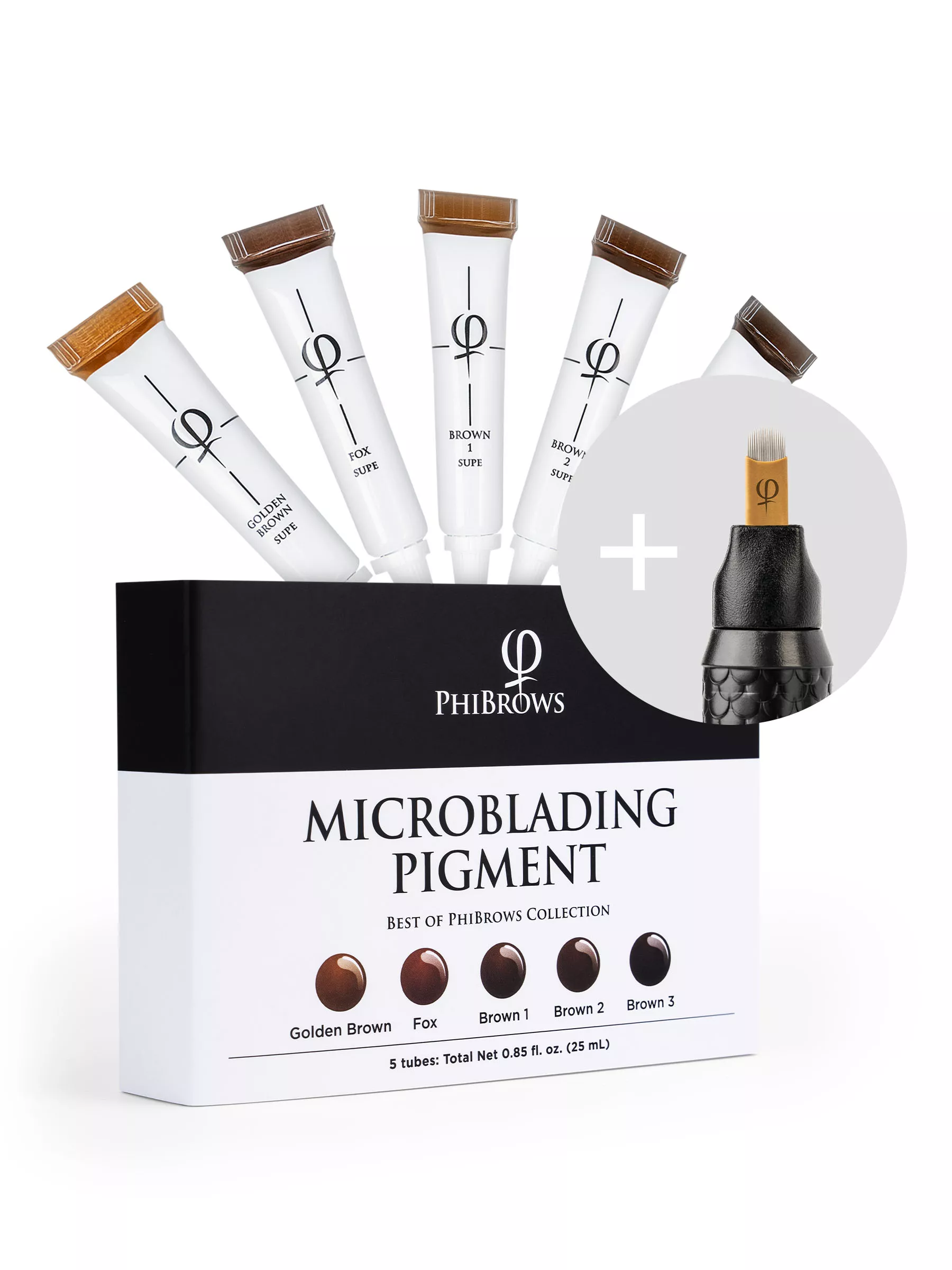
Buying guide: Microblading Kits
Microblading kits represent comprehensive, curated collections of essential tools, supplies, and materials designed to provide professional artists with everything needed to perform high-quality microblading procedures. These all-in-one solutions eliminate the complexity of selecting individual components while ensuring compatibility and coordination between all included items. For professional artists worldwide, choosing the right microblading kit is crucial for establishing a successful practice, maintaining consistent results, and building client confidence through the use of coordinated, professional-grade equipment.
Professional microblading kits typically include precision tools such as microblading pens and blades, premium pigments in essential color ranges, numbing products for client comfort, aftercare supplies, safety equipment, and often practice materials for skill development. The best kits are carefully designed by industry experts who understand the interdependencies between different components and select items that work optimally together. This coordination ensures that every element of your microblading procedure, from initial consultation through final healing, is supported by compatible, high-quality products.
Why choosing the right microblading kits matters
The selection of your microblading kit profoundly influences every aspect of your professional practice, from procedure efficiency to client satisfaction and business success. Comprehensive, well-designed kits impact multiple critical areas of your work.
System compatibility and optimized performance
Professional microblading kits ensure that all components are designed to work together seamlessly, eliminating compatibility issues that can compromise results. When pigments, tools, numbing products, and aftercare items are specifically selected for optimal interaction, you achieve more predictable outcomes, better color retention, and improved healing results. Mismatched individual components can create unexpected reactions, poor pigment acceptance, or inconsistent healing patterns.
Professional credibility and client confidence
Arriving at consultations and procedures with a comprehensive, organized kit demonstrates your professionalism and commitment to quality. Clients notice when you use coordinated, professional equipment rather than a collection of random supplies. This attention to detail builds trust, justifies premium pricing, and contributes to positive client experiences that drive referrals and repeat business.
Procedure efficiency and workflow optimization
Well-designed kits streamline your workflow by providing everything needed in organized, accessible formats. This efficiency reduces setup time, minimizes the risk of missing essential supplies during procedures, and allows you to focus entirely on artistry rather than supply management. Efficient workflows enable you to serve more clients while maintaining high quality standards.
Cost effectiveness and value optimization
Quality microblading kits typically offer better value than purchasing individual components separately, while ensuring that all items meet professional standards. Kit manufacturers often negotiate better pricing for bulk components and pass these savings to practitioners. Additionally, kits eliminate the risk of purchasing incompatible or substandard individual items that could compromise your work.
Inventory management and supply consistency
Comprehensive kits simplify inventory management by providing known quantities of essential supplies and establishing reorder patterns. This consistency helps prevent supply shortages that could disrupt client schedules and ensures that you always have coordinated products available. Many kit manufacturers offer convenient refill systems that maintain supply consistency over time.
Training integration and skill development
Many professional kits include educational materials, technique guides, and practice components that support ongoing skill development. This integration ensures that your learning aligns with the specific products you'll use professionally, creating more effective training experiences and better preparation for client work.
Key considerations & features
When evaluating microblading kits, several critical elements distinguish professional-grade comprehensive solutions from basic starter packages.
Component quality and professional standards
Every item in a professional kit must meet the highest standards for safety, performance, and regulatory compliance. This includes sterile, individually packaged tools, premium pigments with proper certifications, effective numbing products, and aftercare items formulated specifically for microblading procedures. Examine each component's specifications, certifications, and manufacturer reputation to ensure professional quality throughout the kit.
Comprehensiveness and completeness
Professional kits should include everything needed to perform complete microblading procedures from consultation through aftercare. This typically encompasses precision tools in multiple configurations, essential pigment colors, numbing products, aftercare supplies, safety equipment, client consultation materials, and often practice supplies. Incomplete kits that require additional purchases can be more expensive and may lack optimal component coordination.
Tool variety and technique flexibility
Quality kits provide multiple tool options to accommodate different techniques, client needs, and artistic preferences. This includes various blade configurations for different stroke types, multiple pigment shades for diverse skin tones, and tools that support both basic and advanced techniques. Flexible kits enable artistic growth and adaptation to different client requirements without requiring complete system changes.
Pigment selection and color range
Professional kits include carefully selected pigment ranges that cover essential color needs while ensuring consistency and compatibility. Look for kits with warm and cool undertones, multiple depth options, and corrective colors for common situations. The pigment selection should reflect current industry standards and provide options for diverse clientele without overwhelming complexity.
Safety and hygiene components
Comprehensive kits must include all necessary safety equipment and hygiene supplies for professional practice. This encompasses disposable items, protective equipment, sanitization supplies, and waste disposal materials.
Educational and support materials
Professional kits often include comprehensive educational resources such as technique guides, color theory references, procedure protocols, and troubleshooting information. These materials enhance the kit's value by supporting skill development and providing reference resources for challenging situations.
Organization and portability features
Well-designed kits include professional organization systems that protect components, facilitate easy access during procedures, and support mobile practice needs. Consider storage cases, organization inserts, and portability features that match your practice requirements and professional image expectations.
How to choose the right microblading kit
Selecting the optimal microblading kit requires careful analysis of your specific practice needs, skill level, and business objectives:
- Skill level and experience requirements: Beginning artists benefit from comprehensive kits that include extensive educational materials, practice supplies, and tools designed for learning and skill development. These kits often feature more forgiving tools, comprehensive instruction materials, and components that support skill building. Experienced artists may prefer kits with advanced tools, premium components, and greater customization options, even if they require more technical expertise to utilize fully.
- Practice type and client demographics: Your typical clientele influences kit requirements significantly. High-volume practices need kits with sufficient supplies for multiple clients and efficient workflow support. Luxury practices may prioritize premium components and presentation quality. Mobile practices require portable, well-organized kits, while studio-based practices might prefer larger, more comprehensive systems.
- Technique specialization and artistic style: Different microblading techniques require specific tool combinations and supply selections. Artists specializing in ultra-natural techniques need kits with fine-pointed tools and natural pigment selections, while those offering combination services require tools and supplies that support both hair strokes and shading work. Consider whether the kit supports your preferred artistic style and technique specializations.
- Budget and investment planning: Microblading kits range from starter packages to premium professional systems, with costs reflecting component quality, comprehensiveness, and brand reputation. Calculate the total cost of ownership including refill supplies, replacement tools, and upgrade paths. Quality kits often provide better long-term value through superior components, better results, and comprehensive support systems.
- Growth and expansion considerations: Choose kits that can grow with your developing skills and expanding practice. Some systems offer modular expansion options, upgrade paths, or compatibility with additional specialized components. Consider your career trajectory and whether the kit will remain suitable as your skills and client base develop.
- Brand ecosystem and support systems: Many kit manufacturers offer comprehensive support systems including training programs, technical assistance, and ongoing education opportunities. Consider the value of manufacturer support, especially if you're new to microblading or transitioning to new techniques. Established brands often provide better long-term support and product availability.
- Regulatory compliance and certification: Ensure that all kit components meet regulatory requirements for your jurisdiction and any certification programs you plan to pursue. Some training organizations specify particular kit requirements for certification, while regulatory authorities may have specific standards for tools, pigments, or safety equipment.
What to avoid
Recognizing problematic kit characteristics and quality issues can prevent costly mistakes and professional complications.
Incomplete or inadequate component selection
Avoid kits that require significant additional purchases to perform basic procedures. Incomplete kits often appear less expensive initially but become more costly when essential missing components are purchased separately. Be wary of kits that skimp on safety equipment, aftercare supplies, or essential tools to reduce costs.
Poor quality or non-professional components
Never choose kits based solely on low price if they contain substandard components that could compromise client safety or result quality. Look for components that meet professional standards. Poor-quality pigments, dull tools, or inadequate safety equipment can damage your reputation and create liability risks.
Incompatible or mismatched components
Steer clear of kits where components aren't specifically designed to work together or where different items come from multiple manufacturers without coordination. Mismatched systems can create unexpected reactions, poor results, or workflow complications that offset any cost savings.
Limited educational support or documentation
Avoid kits that provide minimal instruction, unclear documentation, or no educational support. Professional kits should include comprehensive guidance on proper use, safety protocols, and technique applications. Inadequate educational support can lead to improper use and poor results.
Outdated or non-standard components
Be cautious of kits containing outdated tools, discontinued pigments, or non-standard components that may become difficult to replace. Ensure that all kit components represent current industry standards and that replacement supplies will be readily available long-term.
Unrealistic claims or promises
Avoid kits that make unrealistic claims about results, learning timelines, or ease of use. Professional microblading requires significant skill development and practice regardless of kit quality. Be suspicious of marketing that promises instant success or minimizes the training and practice required for professional competence.
Maintenance & storage
Proper care and maintenance of your microblading kit ensures optimal performance, helps preserve their defined lifespan, and maintains professional standards.
Daily setup and breakdown procedures
Establish consistent routines for kit setup before procedures and proper breakdown afterward. This includes checking component integrity, ensuring sterile packaging remains intact, and organizing supplies for efficient access. Proper setup procedures reduce the risk of contamination and improve procedure efficiency.
Component-specific care requirements
Different kit components require specific care and maintenance protocols. Tools need proper cleaning and sterilization, pigments require appropriate storage conditions, and consumables need inventory tracking. Follow manufacturer guidelines for each component type to maintain optimal performance and safety standards.
Inventory management and replacement planning
Monitor component usage and maintain adequate supplies to prevent interruptions in client services. Track expiration dates for pigments and consumables, and establish reorder schedules for frequently used items. Many kit manufacturers offer convenient refill systems that simplify inventory management.
Storage environment and organization
Maintain appropriate storage conditions for all kit components, considering temperature, humidity, and light exposure requirements. Organize components to prevent damage, facilitate easy access, and maintain professional appearance. Invest in quality storage solutions that protect your investment and support efficient workflows.
Hygiene and safety protocols
Implement comprehensive hygiene protocols for kit maintenance, including proper cleaning of reusable components, safe disposal of single-use items, and prevention of cross-contamination. Document hygiene procedures for regulatory compliance and quality assurance purposes.
Troubleshooting common issues
Understanding common kit-related problems and their solutions helps maintain consistent performance and client satisfaction:
- Component compatibility issues: If you experience unexpected reactions, poor pigment retention, or inconsistent results, review component interactions and ensure proper usage protocols. Document any compatibility issues and consult with kit manufacturers for guidance. Sometimes minor technique adjustments can resolve apparent compatibility problems.
- Workflow efficiency problems: If kit organization or accessibility issues slow your procedures, reevaluate your setup procedures and storage systems. Consider additional organization tools or modified workflow patterns that better utilize your specific kit configuration. Efficient workflow directly impacts client satisfaction and practice profitability.
- Supply shortage and inventory issues: Prevent supply shortages through careful inventory monitoring and proactive reordering. Establish minimum stock levels for essential components and build relationships with reliable suppliers for emergency restocking. Supply interruptions can disrupt client schedules and damage professional reputation.
- Quality consistency concerns: If component quality varies between kit refills or replacements, document specific issues and work with manufacturers to resolve problems. Quality consistency is essential for predictable results and client satisfaction. Don't hesitate to return or exchange components that don't meet expected standards.
Budgeting & ROI
Investing in quality microblading kits requires thoughtful financial planning but provides significant returns through professional capability and business success.
Initial investment and setup costs
Professional microblading kits represent substantial initial investments, with costs varying based on component quality, comprehensiveness, and brand reputation. Budget for the complete kit plus any additional items needed for your specific practice requirements. Consider financing options if needed to access higher-quality systems that provide better long-term value.
Cost per procedure analysis
Calculate the actual cost of kit components per client procedure to understand your true supply expenses. Quality kits often provide lower per-procedure costs through better efficiency, superior results, and reduced risk of complications requiring corrections. Factor in client satisfaction and retention benefits when evaluating cost effectiveness.
Revenue enhancement and value creation
Quality kits enable you to charge premium prices by demonstrating professionalism and delivering superior results. Calculate the revenue impact of improved client satisfaction, retention rates, and referral generation. Professional equipment often justifies higher service pricing and attracts clients willing to pay for quality.
Practice efficiency and productivity gains
Well-designed kits improve procedure efficiency, enabling you to serve more clients while maintaining quality standards. Calculate the value of time savings, reduced setup requirements, and streamlined workflows when evaluating kit investments. Efficiency gains directly impact practice profitability and growth potential.
Long-term value and upgrade considerations
Quality kits typically provide better long-term value through durable components, reliable performance, and comprehensive support systems. Consider the kit's expected lifespan, upgrade paths, and manufacturer support when evaluating investment value. Some premium kits offer modular expansion options that extend their useful life as your practice grows.
Key takeaways
Microblading kits serve as the foundation of your professional practice, providing the coordinated tools and supplies needed to deliver consistent, high-quality results that build client satisfaction and business success. The right kit becomes an extension of your artistic vision and professional capabilities, enabling you to focus on creativity and client care rather than supply management and compatibility concerns.
Prioritize comprehensiveness and quality over initial cost savings, as complete, professional-grade kits provide better value through improved results, enhanced efficiency, and reduced risk of complications. Incomplete or low-quality kits often cost more in the long run through additional purchases, poor results, and missed business opportunities.
Choose kits from established manufacturers who provide comprehensive support, educational resources, and long-term product availability. The relationship with your kit supplier extends beyond the initial purchase and significantly impacts your ongoing success, skill development, and professional growth.
Consider your kit selection as a long-term investment in your professional development and business success. Quality kits support skill advancement, enable technique expansion, and provide the reliability needed to build a thriving practice based on consistent, excellent results.
Focus on kits that align with your artistic vision, technique preferences, and business objectives rather than simply choosing based on popularity or marketing claims. The best kit for your practice is one that supports your specific approach to microblading while providing room for growth and development.
Invest in proper training and education to maximize your kit's potential. Even the highest-quality kit cannot substitute for proper technique development, safety knowledge, and artistic skill. Use your kit as a tool to express your training and creativity rather than as a shortcut to professional competence.
Maintain your kit meticulously and establish proper inventory management systems to ensure consistent availability of supplies and optimal component performance. Your kit is a professional tool that requires professional care and attention to deliver professional results.
Remember that your kit reflects your professional standards and commitment to excellence. Clients notice and appreciate the use of quality, organized, professional equipment, and this attention to detail contributes significantly to your reputation and business success.
Disclaimer
This buying guide is provided for educational and informational purposes only. Microblading is a specialized cosmetic tattooing procedure that requires proper training, certification, and licensing in accordance with local and state regulations. Microblading kits are professional tools that should only be used by properly trained and licensed practitioners.
Always ensure you have received adequate training from certified instructors and maintain current licensing as required by your jurisdiction before using professional microblading kits on clients. Kit ownership does not substitute for proper education, certification, and ongoing professional development.
Individual results may vary based on kit selection, technique application, client factors, and operator skill level. Always follow manufacturer instructions for all kit components, safety protocols, and hygiene procedures. Consult with experienced professionals and consider additional training when incorporating new kits or techniques into your practice.
This guide does not constitute medical or legal advice. Always comply with local health department regulations, licensing requirements, and professional standards of practice in your area. When in doubt, consult with regulatory authorities, professional organizations, or qualified legal counsel regarding kit selection, proper usage protocols, and compliance requirements for your specific practice needs.