Buying guide: Microblading Blades & Needles
Microblading blades and needles represent the most critical tools in any permanent makeup artist's arsenal, serving as the primary interface between artistic vision and skin canvas. These precision-engineered instruments determine every aspect of the microblading outcome: from stroke sharpness and pigment deposition to healing quality and longevity. For professional artists worldwide, selecting the right blades and needles is not merely a technical decision but a fundamental investment in client satisfaction, artistic reputation, and business success.
The evolution of microblading blades and needles has transformed from basic tattooing adaptations to highly specialized medical-grade instruments designed specifically for eyebrow enhancement. Modern blades incorporate advanced metallurgy, precise engineering tolerances, and specialized configurations that enable artists to create hair-like strokes indistinguishable from natural eyebrow hairs. PhiShop's comprehensive blade and needle collection represents the pinnacle of this technological advancement, offering artists the precision tools necessary for achieving exceptional results.
Understanding the nuances of blade and needle selection enables artists to match tool characteristics with specific techniques, client needs, and desired outcomes. This knowledge forms the foundation of professional microblading practice, directly influencing procedure success, client safety, and artistic development. The investment in quality blades and needles pays dividends through superior results, reduced complications, and enhanced client satisfaction that drives business growth.
Why choosing the right microblading blades & needles matters
Stroke precision and definition: The blade or needle configuration directly determines stroke quality, sharpness, and definition. U-shaped blades create the most natural hair-like strokes by mimicking the way natural eyebrow hairs emerge from the skin. Different needle counts (11, 14, 18, 24) affect stroke thickness and pigment saturation, while needle diameter (0.15mm nano to 0.2mm standard) influences penetration depth and healing characteristics. Premium blades like PhiShop's Grand Master series with laser-polished 304 stainless steel ensure consistent, precise strokes that heal beautifully.
Pigment deposition and retention: Blade design affects how pigment is deposited into the skin and how well it retains over time. Sharp, precisely manufactured needles create clean channels for pigment implantation without excessive tissue trauma. This results in better pigment retention, more predictable healing, and longer-lasting results. Dull or poorly manufactured blades can cause tissue damage, poor pigment uptake, and uneven healing that compromises final results.
Client comfort and safety: Quality blades minimize client discomfort and reduce complication risks through precise penetration that requires minimal pressure. Medical-grade 304 stainless steel construction ensures biocompatibility and reduces infection risks, while proper sterilization and individual packaging maintain safety standards. Sharp blades require less pressure, reducing tissue trauma and promoting optimal healing conditions.
Technique versatility and artistic expression: Different blade configurations enable various artistic techniques from fine hair strokes to shading and combination brows. Round needles (3R, 5R) excel at shading and color blending, while flat configurations (9-double-flat, 15-double-flat) provide broader coverage for ombre effects. Specialized blades like the 36-round ombre enable advanced techniques that distinguish professional work and justify premium pricing.
Professional efficiency and workflow: Consistent blade performance enables predictable procedures and reliable scheduling. Quality blades maintain sharpness throughout procedures, eliminating mid-treatment blade changes that disrupt workflow and client comfort. Reliable performance reduces procedure time and improves client experience while supporting higher daily volume capacity.
Regulatory compliance and professional standards: Professional blades must meet high quality standards and sterilization requirements mandated by health departments and professional licensing boards. Single-use, individually packaged sterile blades eliminate cross-contamination risks and ensure compliance with safety regulations that protect both artists and clients while maintaining professional liability coverage.
Key considerations & features
Blade configuration types
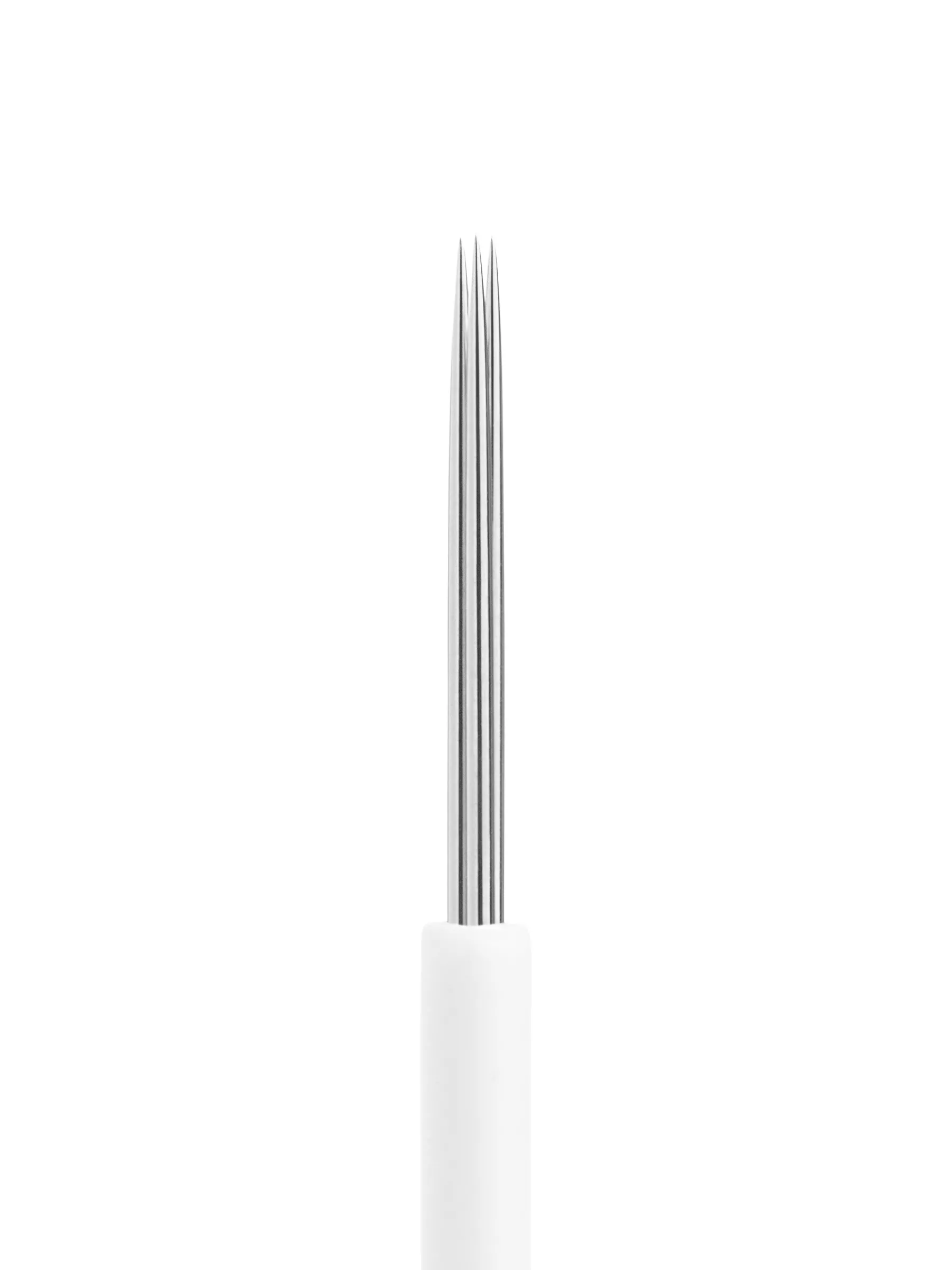
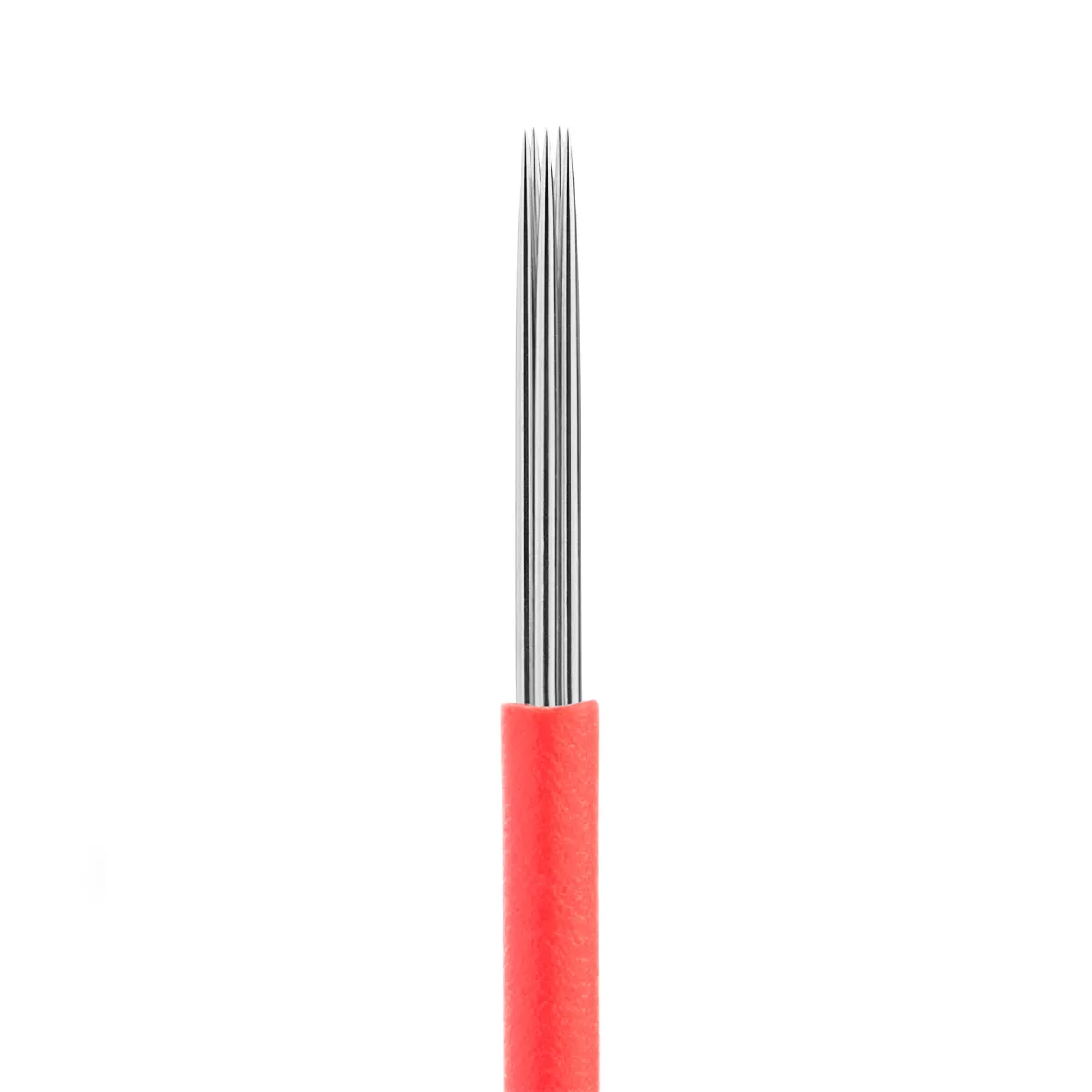
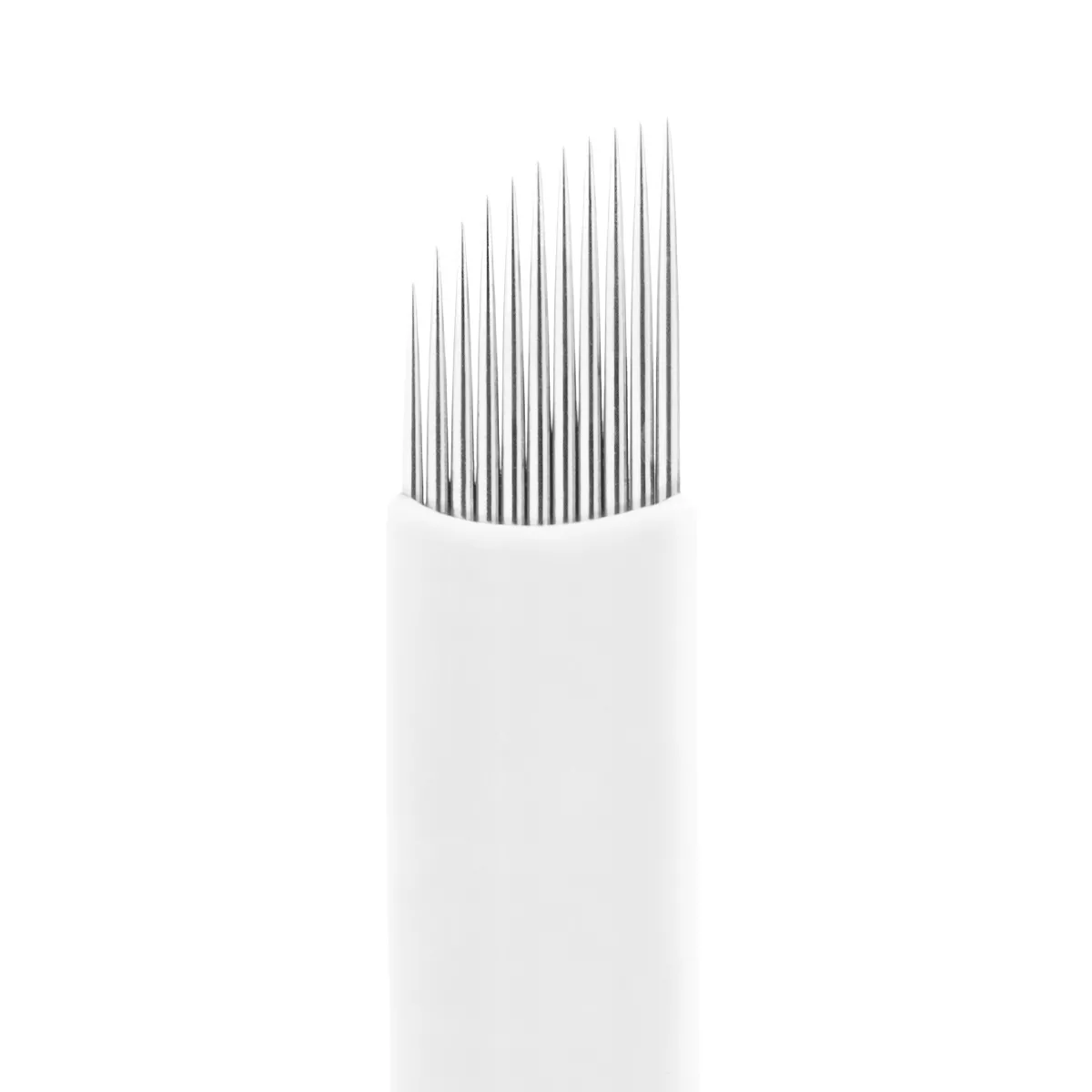
U-Shaped hair stroke blades: Designed specifically for creating natural hair-like strokes, U-shaped blades feature needles arranged in a curved formation that mimics natural hair growth patterns. The Master Blade U304 offers proven reliability with 0.18mm needles, while Artist Blade U18 provides 0.2mm diameter for more forgiving application. Advanced practitioners can utilize Grand Master U24 Nano with 0.15mm ultra-fine needles for exceptionally precise work.
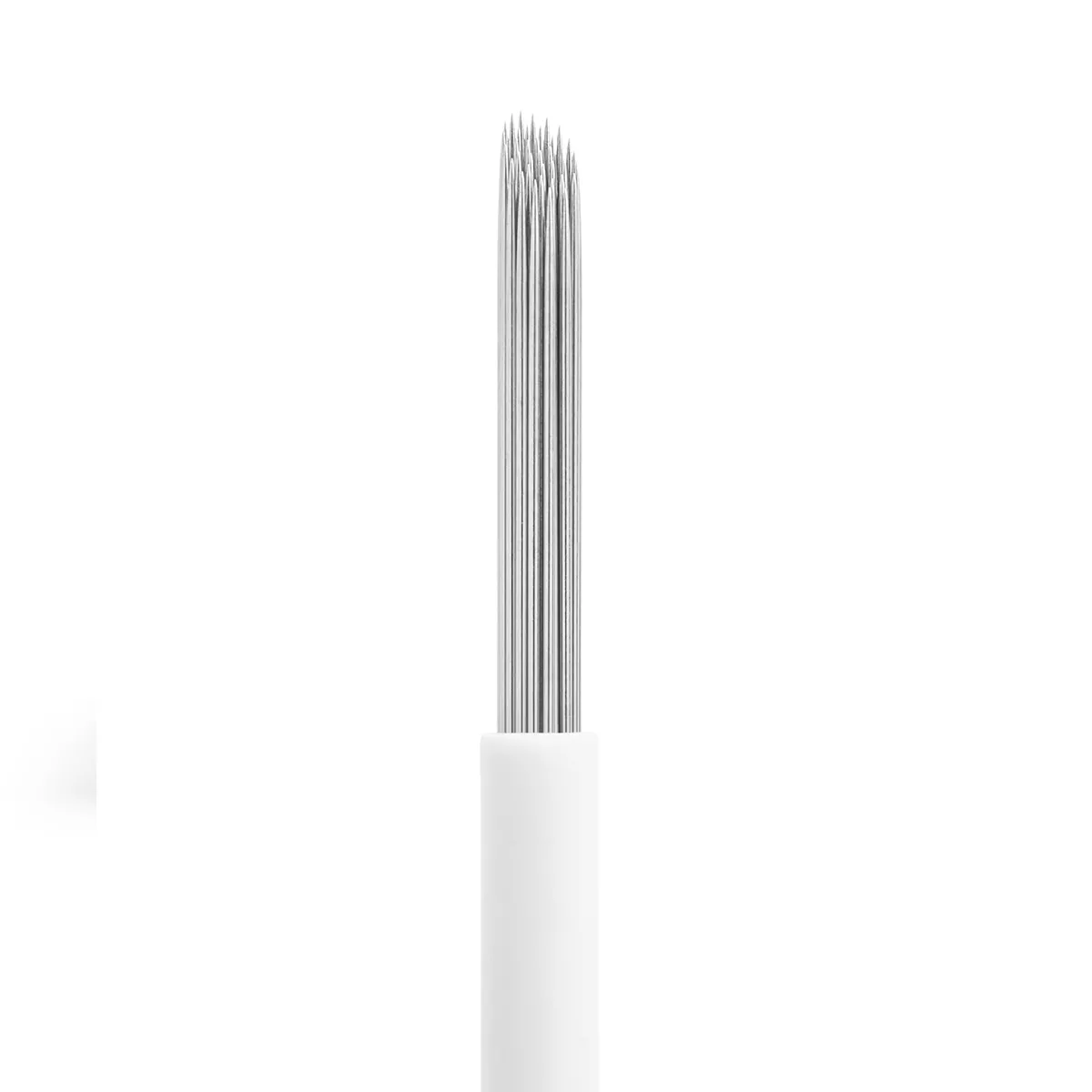
Linear hair stroke blades: Straight-line configurations like #11, #14, and #18 nano blades provide versatility for different stroke techniques and artist preferences. These blades offer excellent control for creating varying stroke angles and can accommodate both curved and straight hair simulation depending on application technique.
Round shading needles: Circular configurations (3R, 5R) excel at shading, blending, and creating soft color transitions. These needles enable combination brow techniques where hair strokes are complemented by subtle shading for enhanced fullness and definition.
Flat shading blades: Double-flat configurations (9-double-flat, 15-double-flat) provide broader coverage for ombre effects, color distribution, and large area shading. The 15-double-flat offers faster coverage for efficient shading work, while 9-double-flat provides more controlled application.
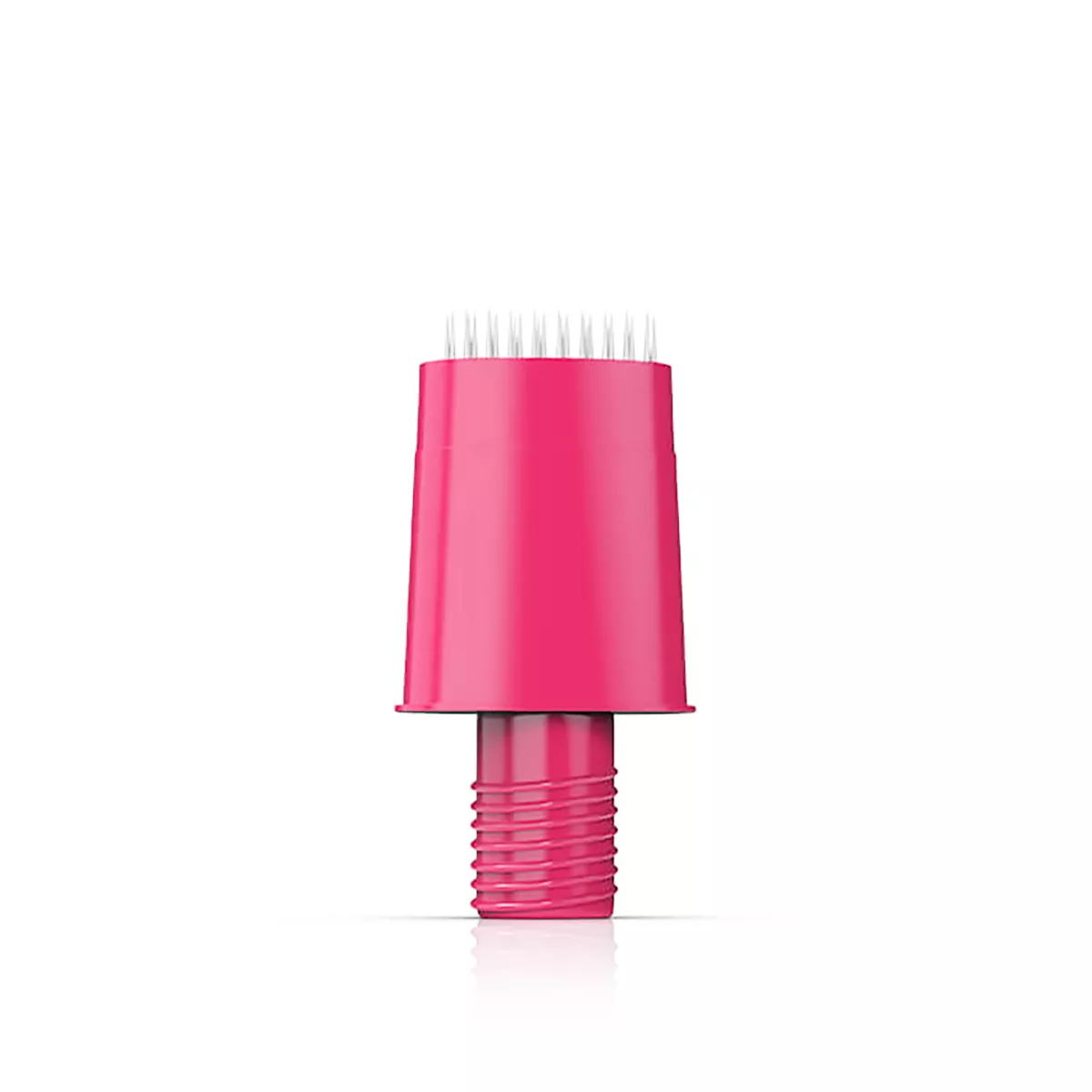
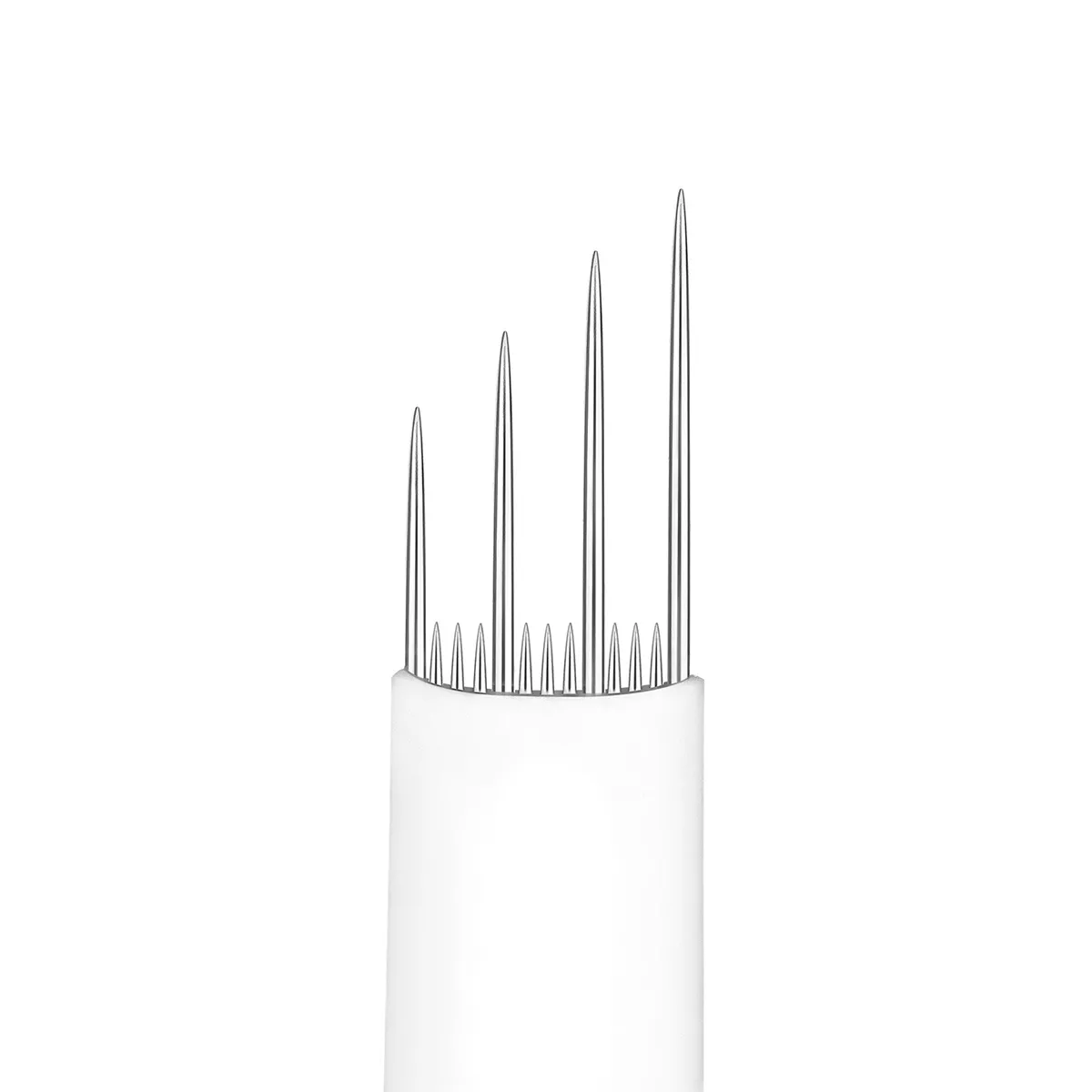
Specialized effect blades: Advanced configurations like 36-round ombre and 38-pin shading needles enable sophisticated techniques including gradient effects, powder brow appearance, and rapid color saturation for challenging skin types.
Needle diameter and sharpness
Standard diameter (0.2mm): Provides balance between precision and forgiveness, ideal for beginning to intermediate artists developing technique. Offers good pigment flow while requiring reasonable pressure for penetration.
Professional diameter (0.18mm): Represents the professional standard for experienced artists, providing enhanced precision while maintaining reliable performance across diverse skin types and conditions.
Nano diameter (0.15mm): Ultra-fine needles for advanced practitioners requiring maximum precision. Creates the finest possible strokes with minimal tissue trauma but demands expert technique and pressure control.
Material quality and construction
Medical-grade 304 stainless steel: Professional blades utilize 304 stainless steel for optimal sharpness retention, corrosion resistance, and biocompatibility. This medical-grade material ensures consistent performance while meeting safety standards for skin contact applications.
Laser polishing technology: Advanced manufacturing processes like laser polishing create incredibly sharp, precise needle points that maintain their edge throughout procedures while minimizing tissue trauma during penetration.
Sterilization and packaging: Individual sterile packaging ensures each blade maintains optimal sharpness and safety standards. Latest sealing technology protects blades from physical damage during shipping and storage.
Holder compatibility
Universal holder systems: Most blades accommodate both PhiGlow Holder and Universal Holder systems in central and sideways configurations, providing flexibility for different technique preferences and existing equipment.
Specialized mounting requirements: Some advanced blades require specific holder configurations (central only, specific hole sizes) that must be considered when planning blade purchases and technique development.
Technique-specific design features
Pressure requirements: Different blade configurations require varying pressure levels for optimal performance. Nano blades demand minimal pressure and expert control, while standard blades are more forgiving for developing artists.
Stroke versatility: U-shaped blades excel at curved strokes, while linear configurations offer flexibility for various stroke angles and techniques. Understanding these characteristics enables optimal technique selection for different client needs.
Coverage efficiency: Shading blades offer different coverage rates and effects, from precise 3R needles for detailed work to broad 38-pin configurations for rapid color saturation.
How to choose the right blades and needles
Based on skill level
Beginning artists: Start with Artist Blade U18 (0.2mm) for forgiving performance while learning proper pressure and technique. The larger needle diameter provides more predictable results and reduced risk of technique errors. Include basic shading needles (3R, 5R) for developing combination brow skills. Focus on proven configurations that build confidence while developing fundamental techniques.
Intermediate artists: Progress to Master Blade U304 (0.18mm) for enhanced precision without extreme technique demands. Add flat shading blades (9-double-flat) for ombre techniques and begin exploring specialized configurations like #14 and #11 linear blades for technique variety. Develop expertise across multiple blade types to serve diverse client needs.
Advanced artists: Master Grand Master Nano blades (0.15mm) for ultimate precision and finest stroke creation. Include specialized configurations like 36-round ombre, 38-pin shading, and 15-double-flat for comprehensive technique capabilities. Focus on blade selection that enables advanced artistic techniques and challenging client cases.
Expert practitioners: Utilize complete blade collections that enable any technique or client requirement. Include cutting-edge configurations and experimental approaches that distinguish work in competitive markets. Focus on blade combinations that support signature techniques and artistic innovation.
Based on client needs and skin types
Normal skin types: Standard blade configurations (U18, U304) provide excellent results with predictable healing and good pigment retention. Focus on blade selection based on desired stroke characteristics and artistic goals rather than skin accommodation requirements.
Sensitive skin clients: Prioritize nano blades (0.15mm) that minimize tissue trauma while creating precise strokes. These ultra-fine needles promote optimal healing in sensitive individuals. Consider technique modifications that reduce treatment time and skin manipulation.
Thick or oily skin: May benefit from slightly larger needles (0.2mm) that provide reliable penetration and pigment deposition. Consider shading blade combinations that ensure adequate color saturation in challenging skin conditions.
Mature skin considerations: Evaluate skin elasticity and texture when selecting blade configurations. May require specialized techniques using combination blade approaches that accommodate skin characteristics while achieving desired results.
Previous PMU history: Clients with existing permanent makeup may require specialized blade selection for correction work, color matching, or working around previous procedures. Advanced blade collections enable flexibility for complex cases.
Based on specific procedures
Classic hair stroke microblading: Focus on U-shaped blades (U18, U304, U24 nano) that create the most natural hair-like appearance. Select needle diameter based on skill level and desired stroke fineness. Include multiple needle counts for stroke variety and artistic expression.
Combination brow techniques: Require both hair stroke blades and shading needles for comprehensive results. Include U-shaped blades for hair strokes and round needles (3R, 5R) for shading work. Consider flat blades for background color or specific shading effects.
Ombre and powder brow effects: Utilize specialized shading configurations including 36-round ombre, flat double configurations, and multi-pin needles for achieving gradient effects and powder-like appearance. Focus on blades that enable smooth color transitions and even coverage.
Correction and color work: Complex cases may require diverse blade selections for addressing various issues within single procedures. Include precise hair stroke blades for detail work and broader shading options for coverage and blending.
High-volume practice requirements: Focus on blade configurations that provide consistent results, reasonable procedure times, and predictable outcomes. Consider blade performance across long treatment days and multiple client sessions.
Budget considerations
Professional investment approach: Calculate blade costs per procedure rather than initial purchase price. Quality blades typically cost €1,30-2,15 per procedure when calculated across typical usage, representing minimal expense relative to service pricing while significantly impacting results.
Skill development strategy: Begin with essential blade types and expand collection as techniques develop and client needs diversify. Avoid over-investing in advanced blades before developing the skills to utilize them effectively.
Practice volume planning: High-volume practices benefit from bulk purchasing of frequently used blade configurations while maintaining smaller quantities of specialized blades for specific techniques or client needs.
Technique specialization: Artists focusing on specific techniques can optimize blade inventory around their specialties while maintaining basic capabilities for standard procedures.
What to avoid
Non-medical grade materials: Avoid blades not manufactured from medical-grade stainless steel or those lacking proper material certification. Inferior materials can cause allergic reactions, poor performance, and safety risks that compromise both results and client health.
Poor manufacturing quality: Reject blades with uneven needle spacing, rough finishes, or inconsistent sharpness. Quality manufacturing ensures predictable performance and consistent results across all procedures.
Inadequate sterilization or packaging: Never use blades that aren't individually packaged and pre-sterilized. Proper sterilization and packaging are essential for safety compliance and infection prevention.
Unclear compatibility information: Avoid blades without clear holder compatibility specifications. Incompatible blades can compromise safety, performance, and technique effectiveness.
Extremely low pricing: Unrealistically cheap blades often indicate compromised quality, safety shortcuts, or non-compliant manufacturing. These "savings" typically result in higher costs through poor results, complications, or safety issues.
Unverified supplier claims: Be cautious of suppliers making unsubstantiated performance claims or lacking proper documentation, certifications, and safety data. Professional blades should include comprehensive technical specifications and safety information.
Inconsistent performance reports: Avoid blade types with inconsistent user feedback regarding sharpness retention, pigment flow, or healing outcomes. Reliable blades should demonstrate consistent performance across diverse users and applications.
Limited technical support: Reject suppliers who don't provide proper technique guidance, troubleshooting support, or educational resources. Quality blade manufacturers invest in practitioner success and ongoing education.
Maintenance & storage
Proper storage conditions: Store blades in original packaging until use to maintain sterility and protect needle points from damage. Maintain storage areas at room temperature with controlled humidity to prevent packaging degradation and ensure optimal blade condition when needed.
Inventory management systems: Implement organized inventory systems that ensure proper rotation and prevent expiration of sterile packaging. Track usage patterns to maintain adequate supplies of frequently used configurations while avoiding overstock of specialty blades.
Pre-procedure inspection: Inspect each blade package for integrity before opening, checking for any damage to sterile packaging that could compromise safety or performance. Verify blade configuration matches procedure requirements and holder compatibility.
Single-use compliance: Maintain strict single-use protocols for all blades and needles. Never attempt to clean, sterilize, or reuse any blade regardless of apparent condition. Single-use compliance is essential for safety, legal compliance, and optimal performance.
Waste disposal protocols: Follow proper medical waste disposal procedures for used blades, ensuring compliance with local health department requirements and environmental regulations. Maintain disposal logs as required for regulatory compliance.
Quality assurance documentation: Keep records of blade lot numbers, expiration dates, and supplier information for traceability in case of any issues. This documentation supports quality assurance programs and regulatory compliance requirements.
Budgeting & ROI
Cost-per-procedure analysis: Quality microblading blades typically cost €1,30-2,15 per procedure when calculated across normal usage patterns. This represents less than 1% of typical procedure pricing (€260-690) while directly determining result quality and client satisfaction. Focus on value per procedure rather than initial blade cost when making purchasing decisions.
Technique development investment: Expanding blade collections enables technique development that justifies premium pricing and attracts discerning clients. Calculate ROI based on enhanced service capabilities, client retention improvements, and referral generation enabled by superior results.
Volume purchasing benefits: High-volume practices benefit from bulk purchasing arrangements that reduce per-blade costs while ensuring consistent supply availability. Consider volume discounts when planning inventory purchases for frequently used configurations.
Specialization vs. versatility balance: Balance inventory investment between frequently used standard blades and specialized configurations for advanced techniques. Avoid over-investing in specialty blades before developing the skills and clientele to utilize them effectively.
Quality vs. price optimization: Premium blades justify higher costs through superior performance, consistent results, and reduced complication risks. Calculate total cost including potential revision work, client dissatisfaction costs, and reputation impact when evaluating blade quality investments.
Business growth support: Quality blade performance supports business growth through client satisfaction, referral generation, and premium service positioning. Factor in long-term business impact when evaluating blade investment decisions.
Risk mitigation value: Premium blades reduce risks associated with poor results, safety issues, or regulatory non-compliance. Consider potential costs of complications, liability issues, or reputation damage when evaluating blade quality investments.
Key takeaways
Investing in high-quality microblading blades and needles is essential for achieving consistent, professional results that build client trust, support premium pricing, and ensure long-term business success. Quality blades directly determine stroke precision, healing outcomes, and artistic capabilities.
The selection of appropriate blades and needles forms the foundation of professional microblading practice. Understanding the relationship between blade configuration, needle diameter, and technique requirements enables informed decisions that enhance artistic capabilities while ensuring optimal client outcomes. PhiShop's comprehensive blade collection provides the tools necessary for mastering every aspect of professional microblading.
Skill development should guide blade selection, beginning with forgiving configurations that build confidence and progressing to advanced tools that enable sophisticated techniques. This systematic approach ensures artists develop proper technique while gradually expanding their artistic capabilities and service offerings.
Client safety must remain the paramount consideration in blade selection. Medical-grade materials, proper sterilization, and single-use protocols protect both artists and clients while meeting regulatory requirements and professional standards. Never compromise on safety features regardless of cost considerations.
The evolution toward increasingly precise blade technology enables artistic achievements previously impossible with basic tools. Nano-diameter needles, laser-polished finishes, and specialized configurations represent investments in artistic potential that distinguish professional work and justify premium pricing.
Key takeaways overview:
- Blade configuration and needle diameter directly determine stroke quality, precision, and healing outcomes
- Medical-grade 304 stainless steel construction ensures safety, performance, and regulatory compliance
- Match blade selection to skill level, client needs, and specific procedure requirements
- Invest in quality blades as essential tools that directly impact artistic results and business success
- Maintain strict single-use protocols and proper storage conditions for optimal safety and performance
- Calculate blade costs per procedure rather than initial purchase price for true value assessment
- Expand blade collections systematically to support skill development and technique advancement
- Focus on proven configurations that enable consistent results while exploring advanced options
- Never compromise on safety features or medical-grade construction regardless of cost considerations
The art of microblading demands precision tools that enable artists to realize their creative vision while meeting the exacting standards of professional practice. PhiShop's commitment to blade excellence ensures that every stroke reflects the artist's skill and dedication to exceptional results, making quality blade investment a cornerstone decision for serious microblading professionals.
Disclaimer
This buying guide provides general information about microblading blades and needles and selection considerations. All microblading procedures should only be performed by properly trained and certified professionals who have completed appropriate education and certification programs from accredited institutions.
Before offering microblading services, ensure you comply with all local, state, and federal regulations governing permanent makeup procedures. Requirements vary by jurisdiction and may include specific licensing, training, facility, and safety standards that must be met before practicing professionally.
This guide does not constitute professional training, certification, or technical instruction. Proper blade selection, technique application, safety protocols, and sterilization procedures must be learned through accredited training programs and ongoing professional development.
Always follow manufacturer instructions for all blades and needles, including proper handling, storage, and disposal procedures. Maintain strict single-use protocols and never attempt to clean, sterilize, or reuse any blade regardless of apparent condition.
Individual results may vary based on blade selection, technique proficiency, client factors, and adherence to proper procedures.

 PhiShop App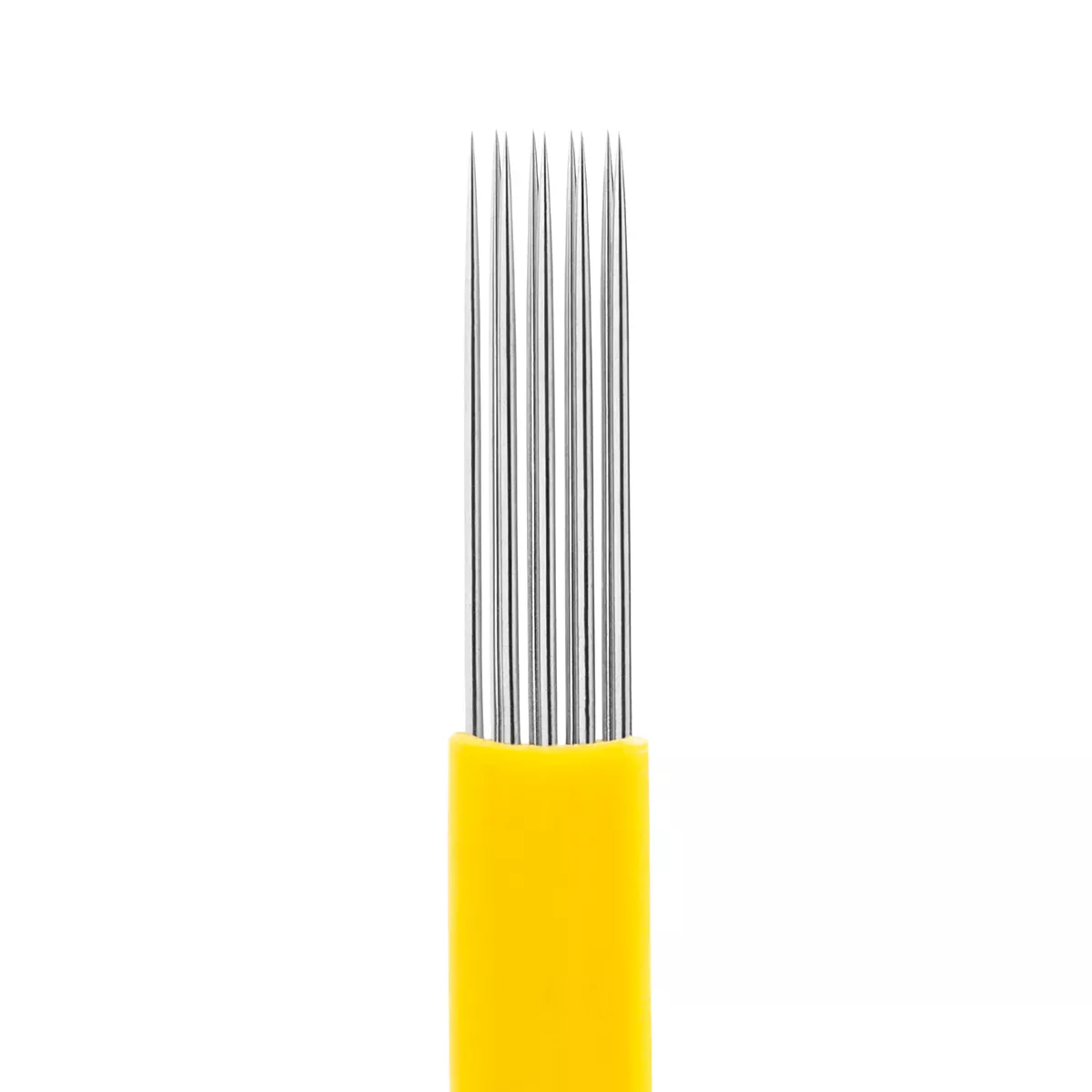

.webp "PhiBrows Master Blade U304 Stainless Steel (50pcs)")
.webp "PhiBrows Grand Master Blade U24 Nano (50pcs)")