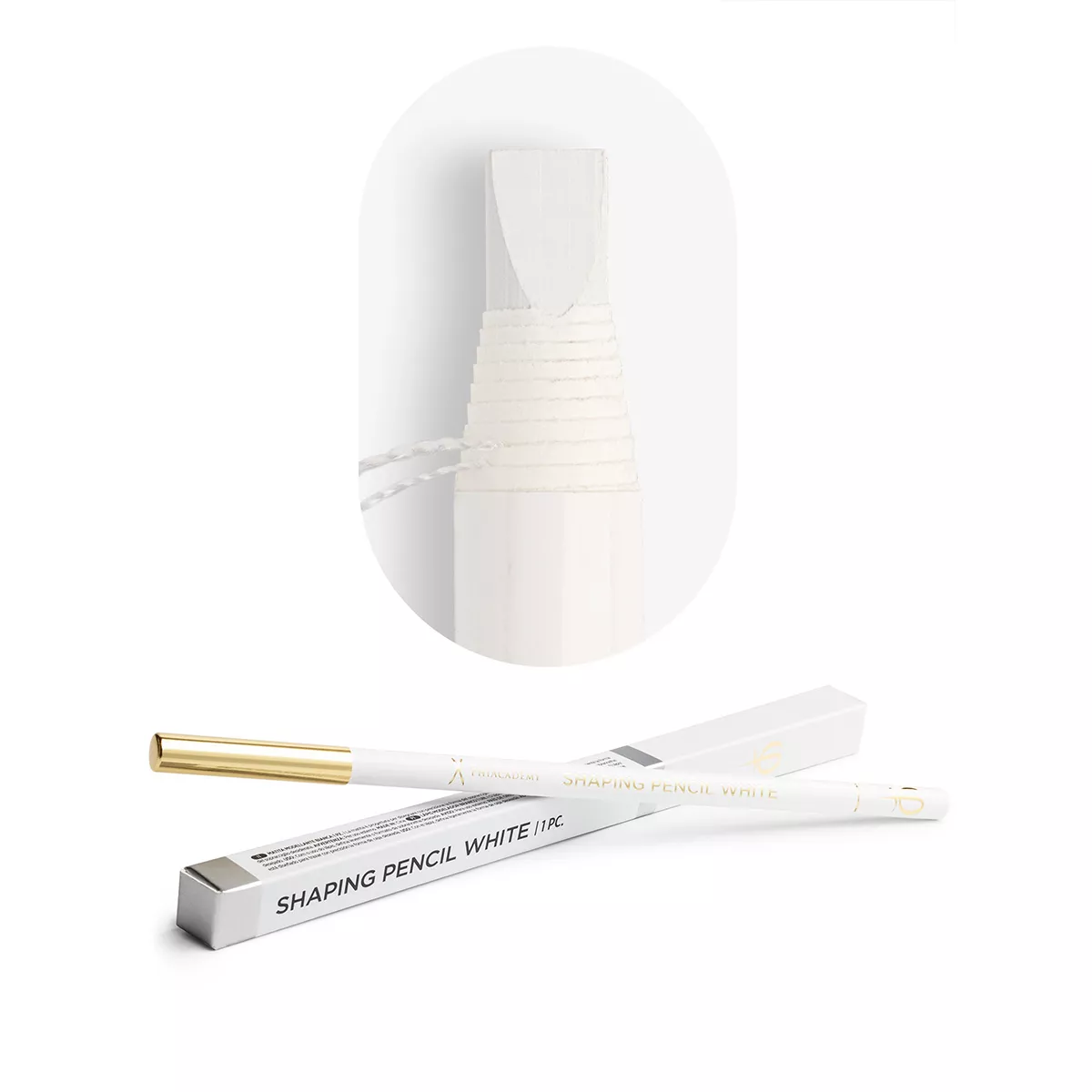
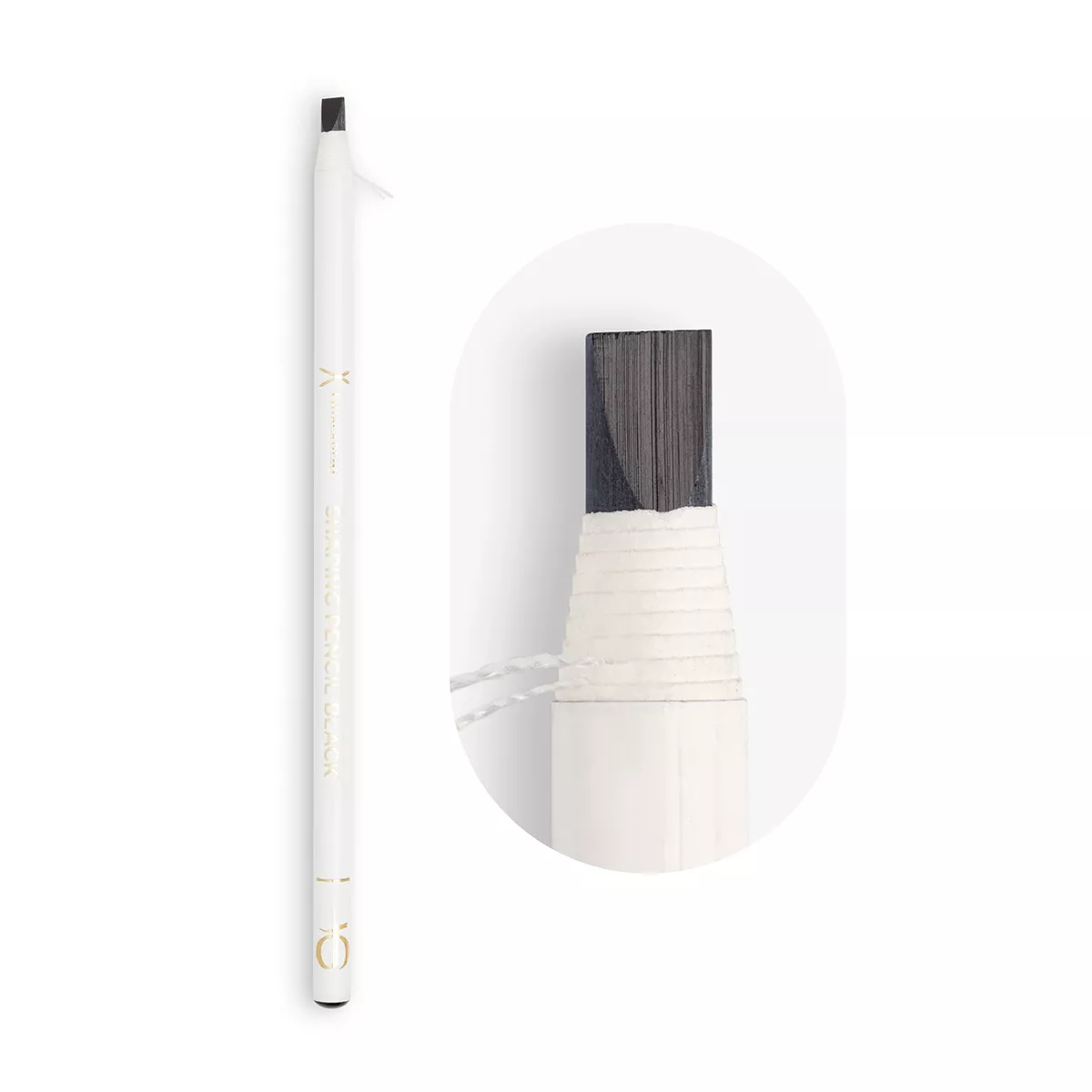
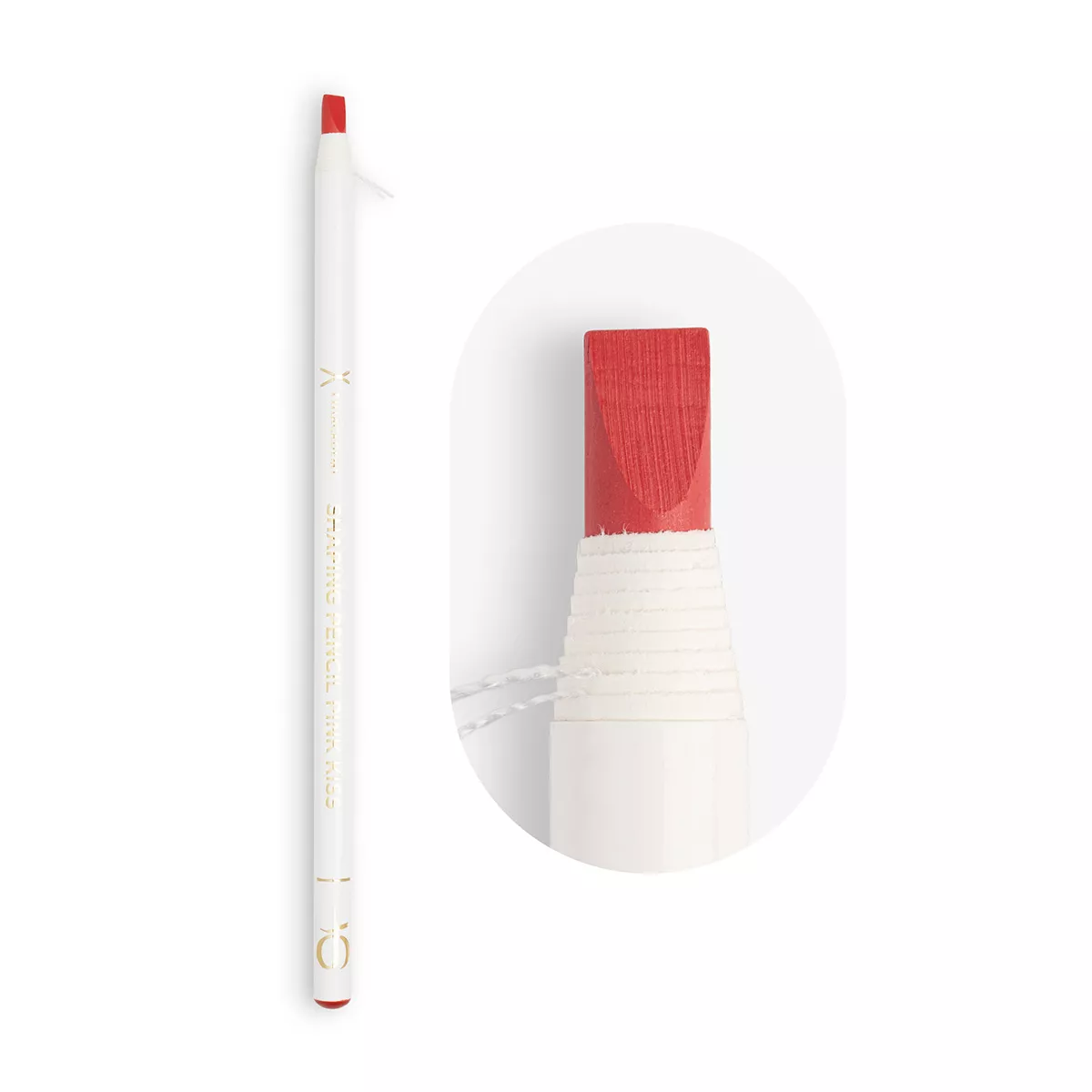
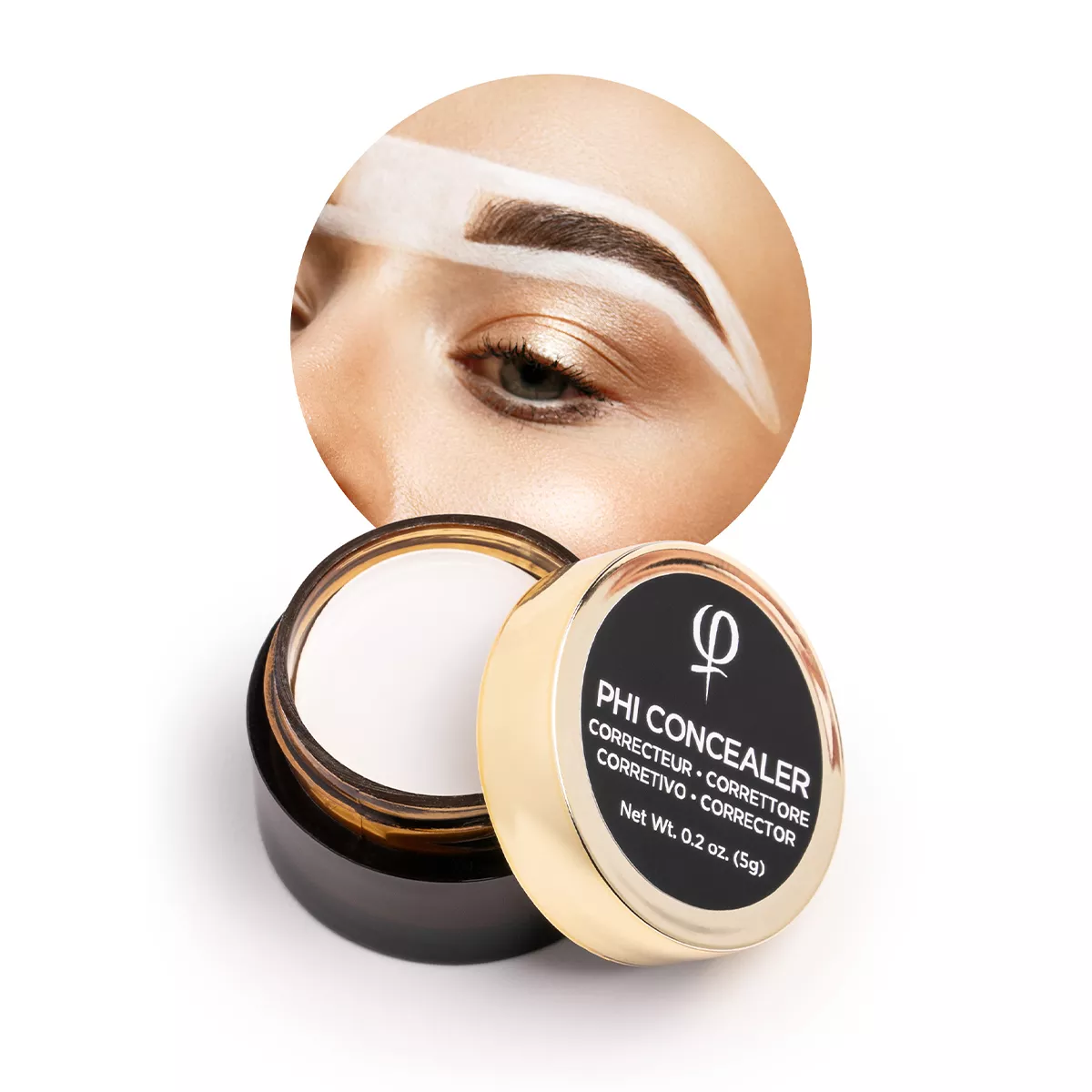
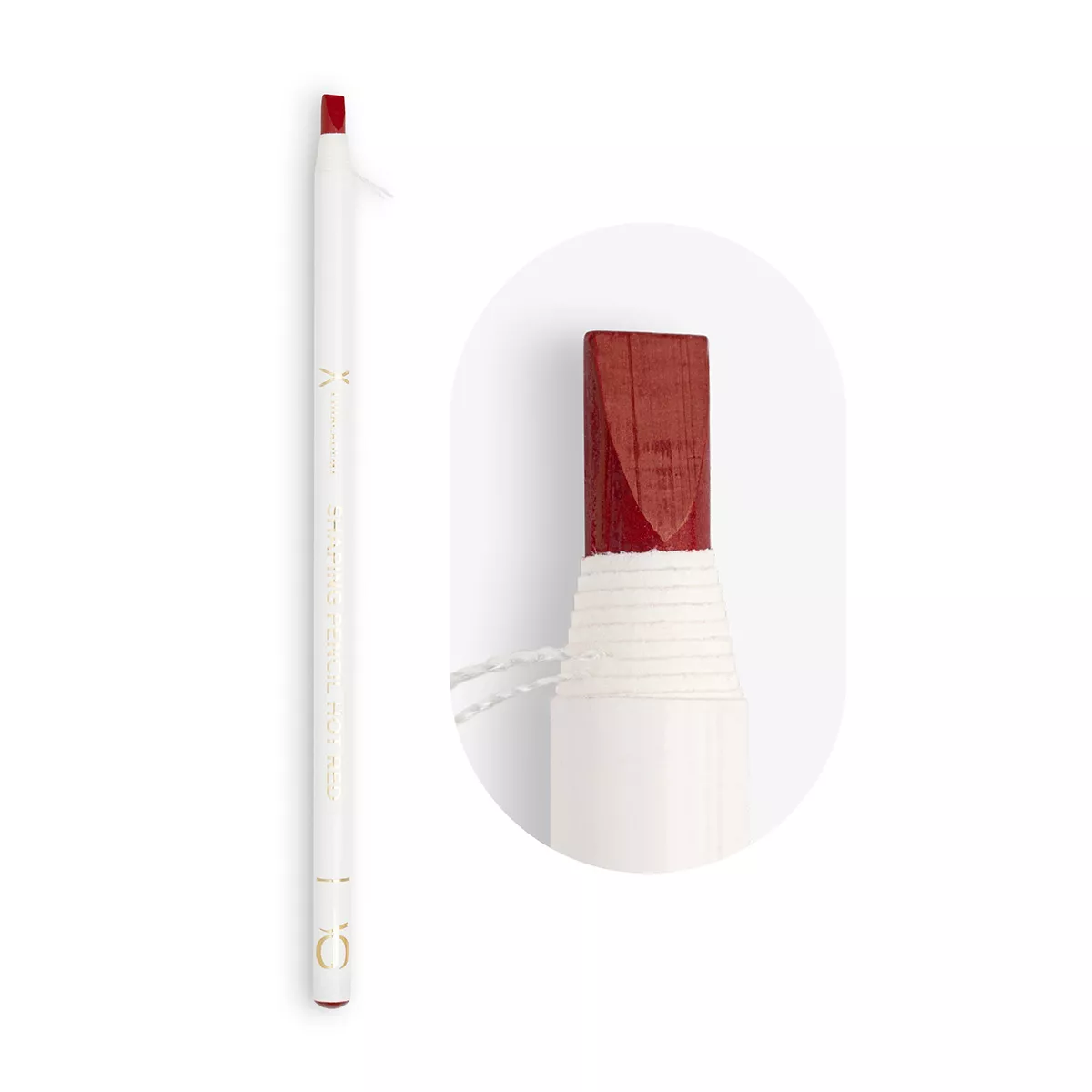
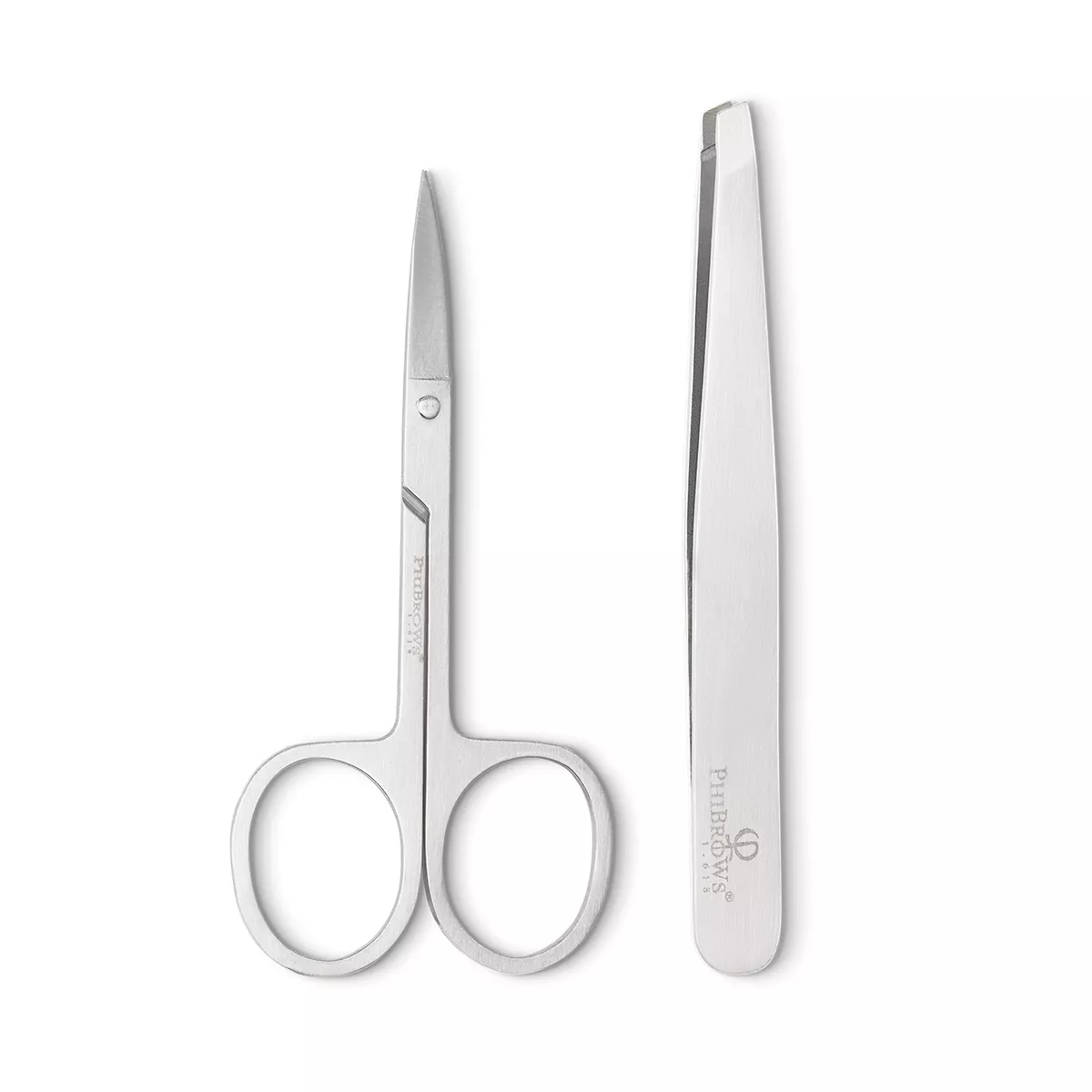
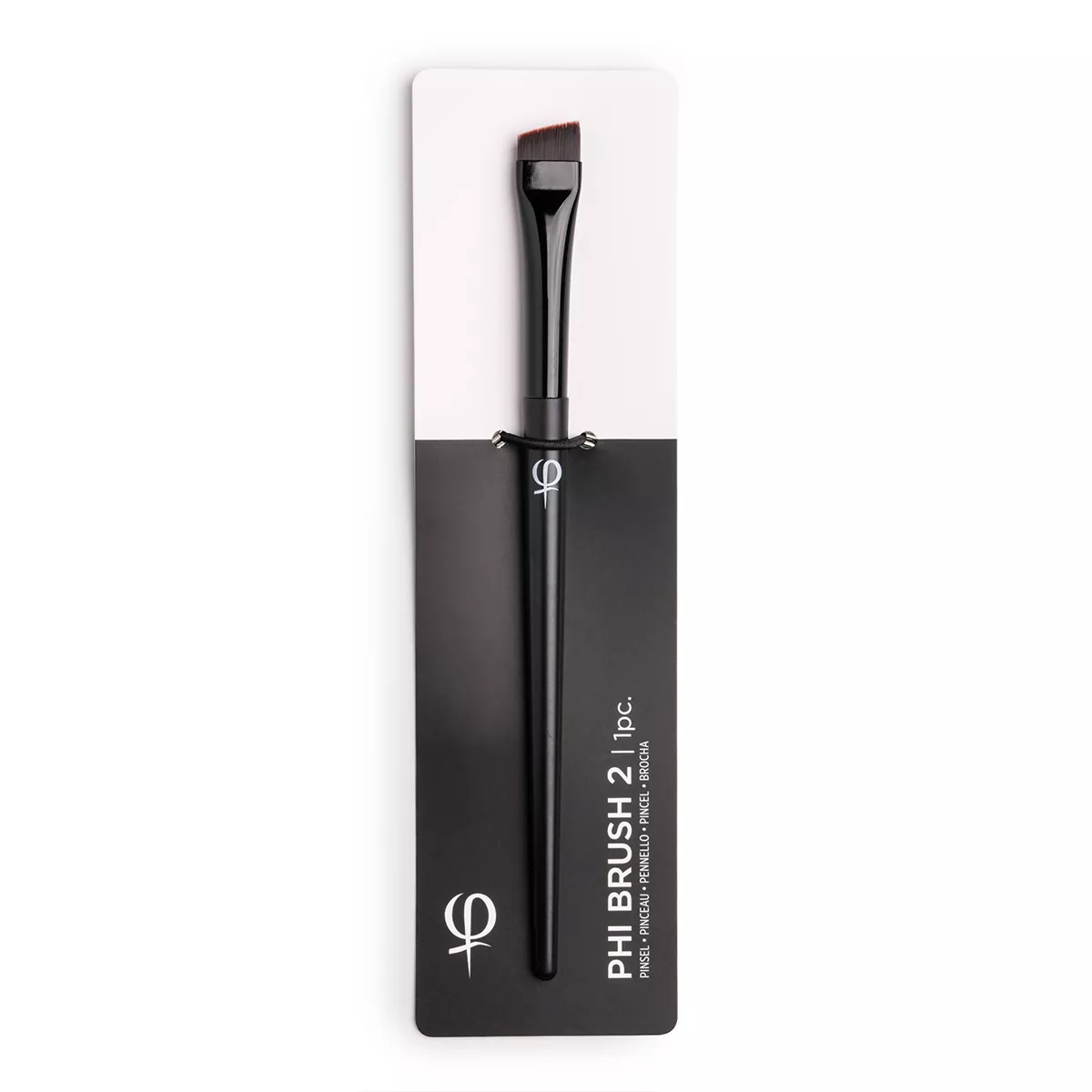
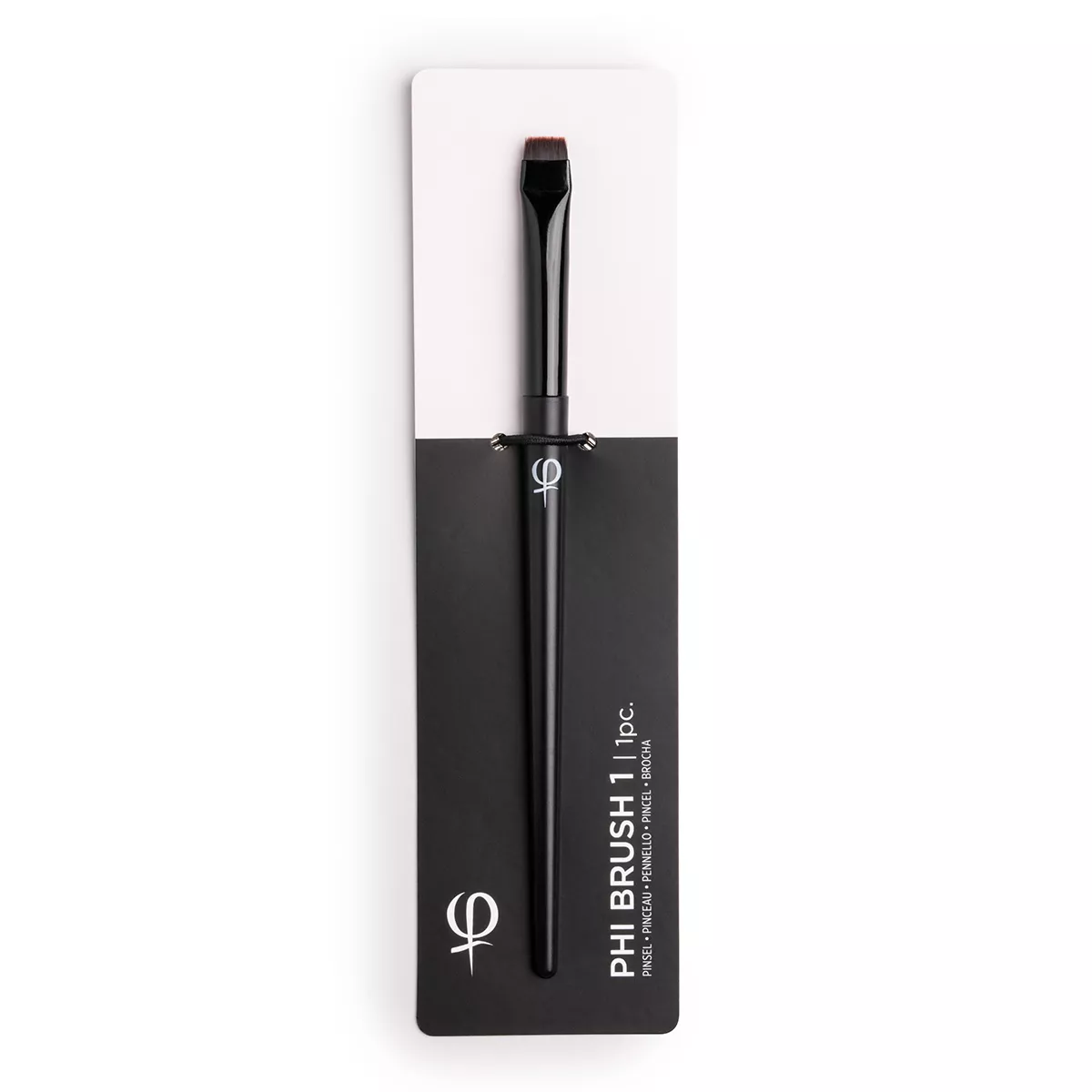
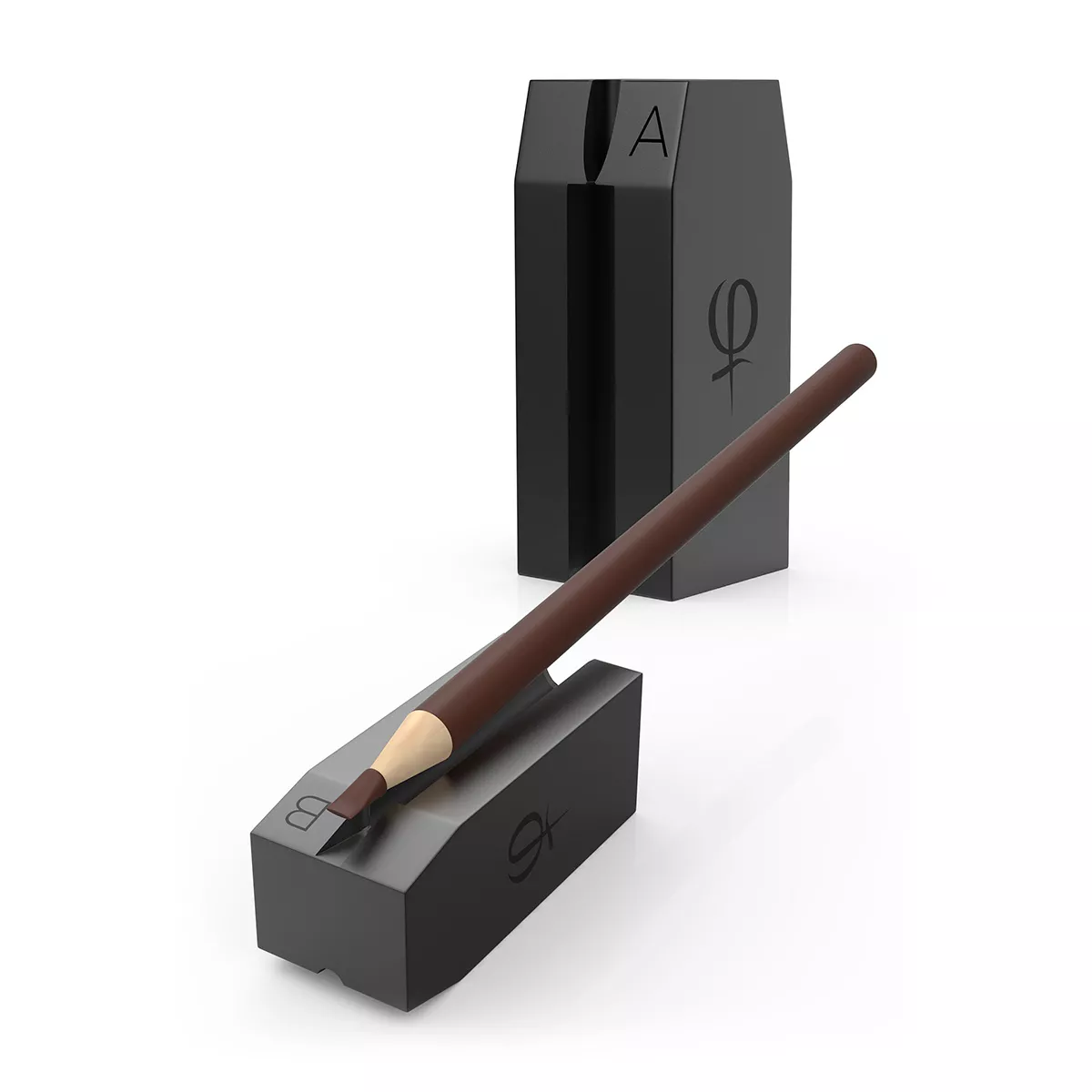
Buying guide: Microblading Shaping Tools
Microblading shaping tools form the foundation of every successful eyebrow procedure, serving as the essential instruments that transform a client's natural brow structure into a perfectly mapped canvas for microblading artistry. These precision tools enable professional artists to measure, map, and design eyebrow shapes that complement each client's unique facial structure, bone anatomy, and aesthetic preferences. For professional microblading artists, mastering the use of quality shaping tools is fundamental to creating symmetrical, proportionate, and naturally beautiful results that enhance rather than overpower a client's features.
The art of eyebrow shaping in microblading extends far beyond simple hair removal or basic outlining. Professional shaping tools allow artists to apply the golden ratio principles, account for facial asymmetries, and create customized designs that work harmoniously with each client's eye shape, facial proportions, and personal style. These tools bridge the gap between artistic vision and technical precision, ensuring that every microblading procedure begins with a solid foundation that maximizes the final result's impact and longevity.
Why choosing the right microblading shaping tools matters
The quality and precision of your shaping tools directly influence every aspect of your microblading practice, from initial client consultations to final result satisfaction. Professional-grade shaping tools impact multiple critical areas of your work.
Precision and symmetry achievement
High-quality shaping tools provide the accuracy needed to create perfectly symmetrical eyebrow designs that account for natural facial asymmetries. Precise measurements and consistent mapping ensure that both eyebrows complement each other while working harmoniously with the client's facial structure. Poor-quality tools can lead to uneven measurements, asymmetrical designs, and results that look artificial or unflattering.
Client confidence and trust building
Professional shaping tools demonstrate your commitment to precision and attention to detail, building client confidence in your expertise from the initial consultation. When clients see you using professional-grade measuring and mapping tools, they understand that their procedure will be approached with scientific precision rather than guesswork. This professionalism directly translates to client trust, satisfaction, and referral potential.
Consistency across all procedures
Quality shaping tools enable you to replicate successful designs and maintain consistent standards across all clients. Standardized measurement techniques and reliable tools ensure that every client receives the same level of precision and attention to detail, regardless of when their appointment occurs or how busy your schedule becomes.
Time efficiency and workflow optimization
Professional shaping tools streamline the design process, allowing you to work more efficiently while maintaining high standards. Well-designed tools reduce the time needed for measurement and mapping while increasing accuracy, enabling you to serve more clients without compromising quality. This efficiency directly impacts your practice's profitability and client satisfaction.
Professional reputation and standards
The tools you use reflect your professional standards and commitment to excellence. Clients notice and remember the attention to detail that comes with professional-grade equipment, and this attention contributes to positive reviews, referrals, and your overall reputation within the beauty industry. Quality tools position you as a serious professional rather than someone taking shortcuts.
Reduced risk of errors and corrections
Accurate shaping tools minimize the risk of design errors that could require costly corrections or result in client dissatisfaction. Prevention is always more cost-effective than correction, and quality tools provide the precision needed to get designs right the first time, protecting both your time and professional reputation.
Key considerations & features
When evaluating microblading shaping tools, several critical features and design elements distinguish professional-grade instruments from basic alternatives.
Measurement accuracy and calibration
Professional shaping tools must provide consistent, accurate measurements that remain stable over time and repeated use. Look for tools with clearly marked increments, durable measurement markings that won't wear off, and construction that maintains dimensional accuracy despite regular sterilization and handling. The measurement system should be intuitive and easy to read under various lighting conditions commonly found in professional settings.
Material quality and durability
Quality shaping tools are constructed from materials that withstand repeated sterilization cycles without degradation, warping, or loss of precision. Stainless steel components offer excellent durability and sterilization compatibility, while any plastic elements must be medical-grade materials designed for professional use. The construction should feel solid and precise, with smooth operation and no loose or wobbly components.
Ergonomic design and comfort
Professional shaping tools should feel comfortable and natural during extended use, with ergonomic designs that reduce hand fatigue and improve precision. Consider the tool's weight distribution, grip surfaces, and overall handling characteristics, especially during lengthy consultation and mapping sessions. Tools that cause discomfort or awkward positioning can lead to inconsistent measurements and reduced precision.
Versatility and adaptability
Quality shaping tools accommodate various eyebrow shapes, sizes, and design preferences without requiring multiple specialized instruments. Look for tools that work effectively across different facial structures and can adapt to various measurement techniques and design approaches. Versatile tools provide better value and reduce the number of instruments needed in your kit.
Sterilization compatibility and hygiene
All shaping tools must be compatible with your sterilization protocols and maintain their accuracy and functionality after repeated cleaning cycles. Consider how easily the tools can be disassembled for thorough cleaning, whether they can withstand autoclave temperatures, and if any components require special handling or replacement after extended use.
Precision adjustment and customization
Some professional shaping tools offer adjustable features that allow customization for different techniques, client needs, or personal preferences. These might include adjustable measuring points, interchangeable components, or variable angle settings. While not always necessary, these features can enhance versatility and precision in specific applications.
Visual clarity and readability
Measurement markings, scales, and indicators must be clearly visible and easy to read under various lighting conditions. Consider tools with high-contrast markings, appropriate sizing for easy reading, and designs that remain visible even when the tool is positioned at various angles during use.
How to choose the right microblading shaping tools
Selecting optimal microblading shaping tools requires careful consideration of your specific practice needs, client demographics, and working style preferences:
- Skill level and experience considerations: Beginning artists benefit from shaping tools that provide clear guidance and reduce the likelihood of measurement errors. Look for tools with intuitive designs, comprehensive markings, and features that support learning proper measurement techniques. More experienced artists may prefer tools that offer greater precision and customization options, even if they require more technical knowledge to use effectively.
- Client demographics and facial variations: The types of clients you typically serve influence your tool requirements. If you work with clients who have diverse facial structures, ethnic backgrounds, or age ranges, you'll need tools that accommodate this variation effectively. Some tools work better with certain facial proportions or bone structures, while others offer greater adaptability across different client types.
- Technique preferences and design philosophy: Your preferred approach to eyebrow design influences which tools will serve you best. Artists who follow traditional golden ratio principles may prefer tools specifically designed for these measurements, while those who use more contemporary or customized approaches might need more flexible, adaptable tools. Consider whether you prefer mathematical precision or more artistic, intuitive design methods.
- Practice volume and efficiency needs: High-volume practices require tools that work quickly and efficiently without sacrificing accuracy. Look for tools that streamline the measurement process, reduce the time needed for mapping, and maintain their precision through heavy use. Lower-volume practices might prioritize precision and versatility over speed, focusing on tools that provide exceptional accuracy even if they require more time to use.
- Budget and value analysis: While cost is always a consideration, focus on the total value provided rather than just the initial purchase price. Quality tools typically offer better accuracy, longer service life, and fewer complications, all of which contribute to better client results and business success. Calculate the cost per procedure over the tool's expected lifespan to understand the true investment value.
- Integration with existing workflow: Consider how new tools will integrate with your current procedures, existing equipment, and established techniques. Tools that require significant workflow changes or additional training may not provide immediate benefits, while those that enhance your current approach can deliver value more quickly.
- Training and support availability: Some tool manufacturers provide comprehensive training programs, technique guides, and ongoing support that can enhance your skills and confidence. Consider the availability of educational resources, especially if you're transitioning to new tools or techniques.
What to avoid
Recognizing problematic shaping tools and quality issues can prevent measurement errors and professional complications.
Accuracy and calibration problems
Avoid tools with inconsistent measurements, unclear markings, or construction that allows for dimensional changes over time. Be wary of tools that provide different measurements when used by different people or under different conditions, as this indicates poor design or manufacturing quality. Tools with markings that wear off or become illegible compromise accuracy and professional appearance.
Material and construction issues
Steer clear of tools made from materials that cannot be properly sterilized or that degrade under normal cleaning conditions. Avoid tools with sharp edges, rough surfaces, or poor finishing that could cause discomfort or injury during use. Tools that feel flimsy, have loose components, or show signs of poor manufacturing quality are unlikely to provide the precision and reliability needed for professional work.
Design and usability concerns
Don't choose tools based solely on appearance if they don't function well in practical use. Avoid overly complex tools that slow down your workflow or require excessive setup time for each client. Be cautious of tools that are difficult to clean thoroughly or that have design features that trap contaminants or bacteria.
Compatibility and support issues
Avoid tools from manufacturers who don't provide adequate documentation, training resources, or customer support. Be wary of tools that require proprietary accessories or replacement parts that may become unavailable over time. Tools that don't integrate well with standard microblading techniques or industry practices can create unnecessary complications.
Safety and hygiene red flags
Never use tools that cannot be adequately sterilized or that have features that prevent thorough cleaning. Avoid tools with materials or coatings that may cause allergic reactions or skin sensitivities in either you or your clients. Be cautious of tools that don't meet medical-grade standards for professional cosmetic applications.
Maintenance & storage
Proper care and maintenance of your microblading shaping tools ensures consistent accuracy and extends their professional lifespan:
Daily cleaning and sterilization protocols
After each client, thoroughly clean all shaping tools with appropriate medical-grade disinfectants, paying special attention to any crevices or joints where contaminants might accumulate. Follow your local health department requirements for sterilization, ensuring that all tools are properly processed before storage. Document your sterilization procedures to maintain compliance with professional standards and regulations.
Calibration and accuracy verification
Regularly verify the accuracy of measurement tools using known standards or reference measurements. Check that moving parts operate smoothly and that all measurement markings remain clear and accurate. Address any calibration issues immediately, as inaccurate tools can compromise your work quality and professional reputation.
Storage and organization systems
Store clean, sterilized tools in protective cases or containers that prevent damage and maintain sterility until use. Organize your tool storage to facilitate easy access and inventory management, especially if you use multiple tool types or sizes. Avoid storage conditions that could affect dimensional accuracy, such as extreme temperatures or high humidity environments.
Preventive maintenance and inspection
Establish regular inspection schedules to identify wear, damage, or performance degradation before they affect your work quality. Check for loose components, worn markings, or any changes in tool operation that might indicate the need for maintenance or replacement. Keep detailed maintenance records for quality assurance and professional documentation.
Component replacement and upgrades
Maintain relationships with reliable suppliers for replacement parts and tool updates. Some components may require periodic replacement to maintain accuracy and hygiene standards. Stay informed about product improvements or new versions that might enhance your measurement capabilities or workflow efficiency.
Troubleshooting common issues
Understanding common shaping tool problems and their solutions helps maintain consistent measurement accuracy and client satisfaction:
- Measurement inconsistency problems: If measurements vary between uses or operators, check for tool damage, calibration issues, or inconsistent technique application. Verify that all moving parts operate smoothly and that measurement points are properly aligned. Review your measurement technique to ensure consistent tool positioning and pressure application.
- Visibility and readability issues: Poor visibility of measurement markings can result from lighting conditions, tool positioning, or marking wear. Ensure adequate lighting during measurements, consider tools with high-contrast markings, and replace tools when markings become difficult to read. Some tools may benefit from additional lighting or magnification for precise work.
- Comfort and ergonomic concerns: Hand fatigue or discomfort during extended use may indicate that your tools don't match your physical requirements or working style. Consider grip modifications, technique adjustments, or alternative tool designs that better support your natural hand position and movement patterns.
- Sterilization and maintenance challenges: If tools become difficult to clean thoroughly or show signs of degradation after sterilization, review your cleaning procedures and ensure compatibility with your sterilization methods. Some tools may require modified procedures or replacement of certain components to maintain hygiene standards.
Budgeting & ROI
Investing in quality microblading shaping tools provides significant returns through improved accuracy, client satisfaction, and professional reputation.
Initial investment planning
Quality shaping tools represent a crucial investment in your professional capabilities, with costs varying based on precision requirements, feature sets, and brand reputation. Budget for a complete set of tools that covers all your measurement and mapping needs, including backup tools for high-volume practices or emergency situations.
Accuracy value and error prevention
The cost of quality tools is minimal compared to the potential cost of design errors, client dissatisfaction, or correction procedures. Accurate tools prevent mistakes that could damage your reputation or require expensive remedial work. Calculate the value of error prevention when evaluating tool investments.
Efficiency and time savings
Quality tools typically work more efficiently, reducing the time needed for measurement and mapping while improving accuracy. This efficiency allows you to serve more clients or spend more time on other aspects of client service, directly impacting your practice's profitability and client satisfaction levels.
Professional image and client retention
Professional-grade tools contribute to client confidence and satisfaction, leading to better retention rates and more referral business. The investment in quality tools often pays for itself through increased client loyalty and positive word-of-mouth marketing.
Long-term durability and replacement costs
Quality tools typically last longer and maintain their accuracy better than budget alternatives, providing better long-term value. Consider the total cost of ownership, including replacement frequency and maintenance requirements, when evaluating different tool options.
Key takeaways
Microblading shaping tools serve as the foundation for every successful eyebrow transformation, providing the precision and accuracy needed to create beautiful, symmetrical, and naturally proportioned results. Your choice of shaping tools directly impacts your ability to deliver consistent, professional-quality work that builds client confidence and satisfaction.
Prioritize accuracy and consistency above all else, as these qualities form the basis of professional microblading work. Tools that provide reliable, repeatable measurements enable you to develop and refine your techniques while ensuring that every client receives the same level of precision and attention to detail.
Invest in tools that match your skill level and practice needs, but don't compromise on quality to save costs. Professional-grade tools provide the foundation for professional results, and the investment in quality equipment typically pays for itself through improved client satisfaction and business success.
Consider your shaping tools as part of a comprehensive approach to professional excellence that includes ongoing education, technique refinement, and commitment to safety and hygiene standards. The right tools support and enhance your skills rather than limiting your potential.
Focus on building proficiency with quality tools rather than constantly changing equipment. Mastery comes from understanding and consistently using reliable tools that support your artistic vision and technical requirements.
Stay informed about new developments in measurement techniques and tool design, but evaluate new products carefully against your established workflow and proven results. Innovation should enhance rather than complicate your professional practice.
Remember that the most expensive tools are not necessarily the best choice for your specific needs. Focus on finding tools that provide the optimal balance of accuracy, durability, comfort, and value for your particular practice and clientele.
Disclaimer
This buying guide is provided for educational and informational purposes only. Microblading is a specialized cosmetic tattooing procedure that requires proper training, certification, and licensing in accordance with local and state regulations. Always ensure you have received adequate training from certified instructors and maintain current licensing as required by your jurisdiction.
Individual results may vary based on technique, tool selection, and client factors. Always follow manufacturer instructions for tool use, maintenance, and safety protocols. Consult with experienced professionals and consider additional training when incorporating new tools or techniques into your practice.

 PhiShop App